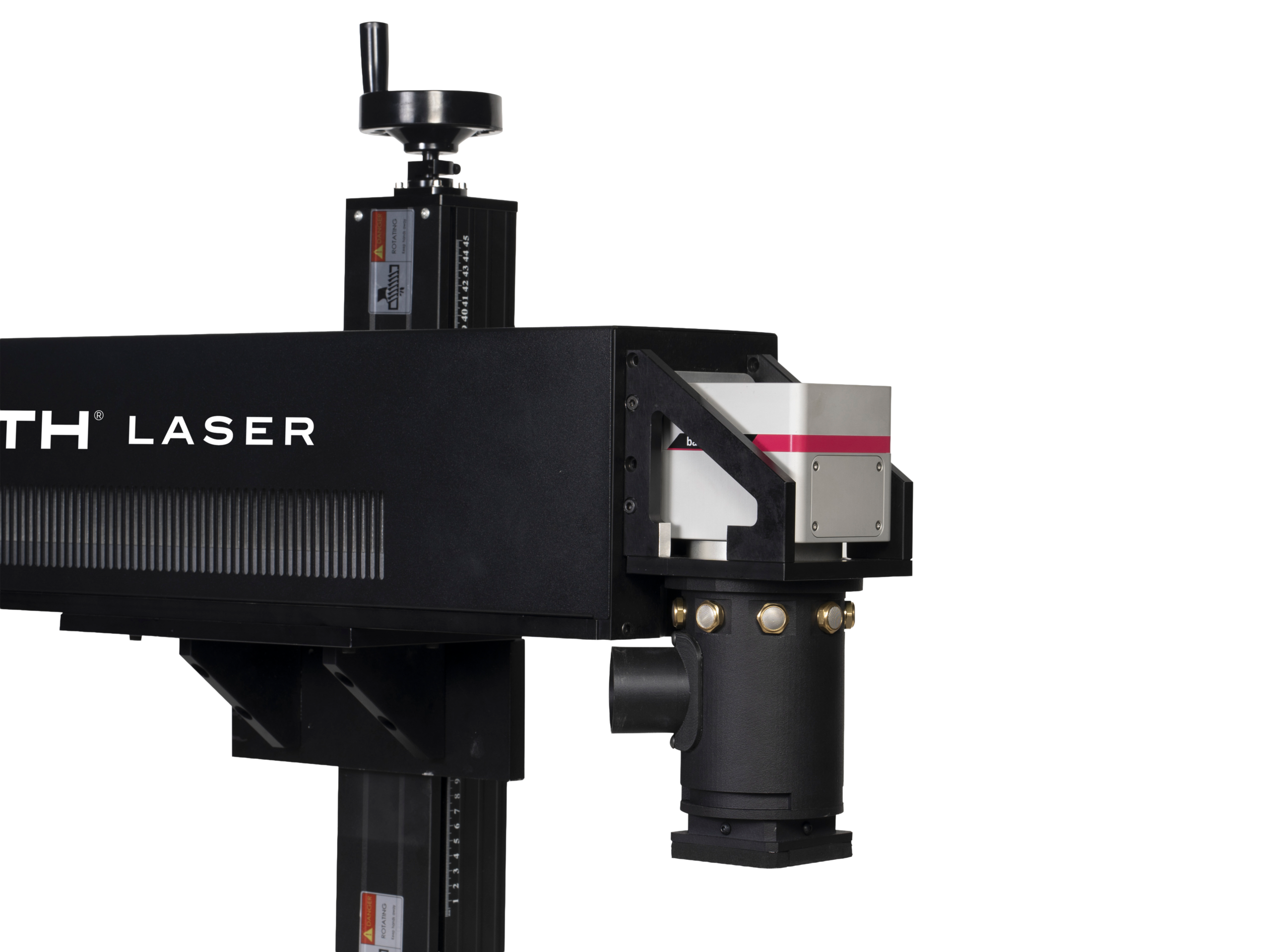
| Rated power | 30 W | 60 W |
|---|---|---|
| Wavelength | 10600 nm | |
| Pulse frequency | 1-200kHz | |
| Marking speed | Up to 6000 mm/s | |
| Character / Font | Vector, Custom, Windows Fonts, TrueType | |
| Barcode | ✓ | |
| 2D code | ✓ | |
| GS1 data bar | ✓ | |
| Logo image | ✓ | |
| Communication interface | RS 232, TCP/IP | |
| Optional communications | EtherNet/IP, PROFINET | |
| Cooling | Air | |
| Power consumption | 550W | |
| Safety | Class IV | |
| F75 | F150 | F300 | F600 | |
|---|---|---|---|---|
| Focus length | 54 mm | 131 mm | 284 mm | 591 mm |
| Marking area | 50×50 mm | 100×100 mm | 205×205 mm | 410×410 mm |

Connection options
| Rated power | 30 W | 60 W |
|---|---|---|
| Wavelength | 10600 nm | |
| Pulse frequency | 1-200kHz | |
| Marking speed | Up to 6000 mm/s | |
| Character / Font | Vector, Custom, Windows Fonts, TrueType | |
| Barcode | ✓ | |
| 2D code | ✓ | |
| GS1 data bar | ✓ | |
| Logo image | ✓ | |
| Communication interface | RS 232, TCP/IP | |
| Optional communications | EtherNet/IP, PROFINET | |
| Cooling | Air | |
| Power consumption | 550W | |
| Safety | Class IV | |
| F75 | F150 | F300 | F600 | |
|---|---|---|---|---|
| Focus length | 54 mm | 131 mm | 284 mm | 591 mm |
| Marking area | 50×50 mm | 100×100 mm | 205×205 mm | 410×410 mm |

Connection options
Although the CO₂ laser is a well-established standard, its operation and applications differ drastically from fiber or diode options.
Below, we break down the key differences so you can determine which best aligns with your production needs:
1. Origin and Affinity with the Material
The most critical difference is the wavelength. The CO₂ laser operates using a mixture of gases and has a long wavelength, making it unbeatable for working with organic materials such as wood, leather, acrylic, and glass.
In contrast, fiber and diode lasers use solid-state components (optical fiber and semiconductors) to create much shorter wavelengths.
2. Processing speed and precision
Due to their physical nature, short-wavelength lasers (fiber and diode) are typically faster for marking and engraving, as the material reacts almost instantly upon contact. In the case of CO₂, the absorption process is slightly slower, which can increase cycle times on high-volume production lines, although it offers a superior finish on cuts of non-metallic materials.
3. Maintenance and operational lifespan
The CO₂ marking system requires mirror alignment, lens cleaning, and replacement of the gas tube after approximately 12,000 hours of use.
In contrast, fiber and diode systems are considered virtually maintenance-free.
4. Cost-Benefit Analysis
If your priority is permanent traceability on metals, speed, and minimal maintenance, the fiber laser is the industrial tool par excellence. The diode laser is relegated to lower-power applications or very specific materials where the investment must be minimal. The CO₂ laser has a lower initial cost but requires consumables and maintenance.

Among the advantages that make the CO₂ laser stand out from other options are the following:
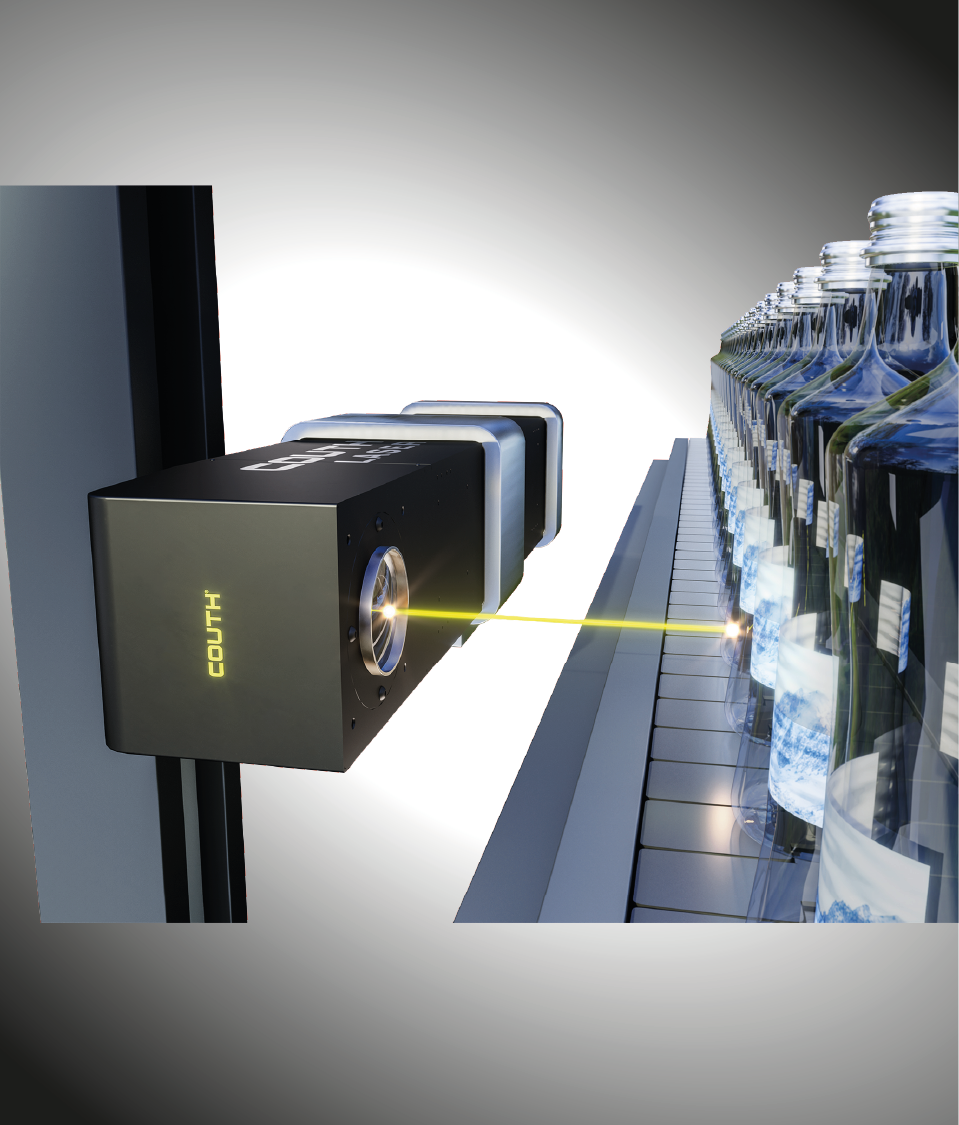
In applications on compatible substrates, the CO₂ laser is often faster than mechanical systems and competes directly with inkjet printing, surpassing it in quality and permanence, but its processing is slower when compared to diode and fiber lasers.
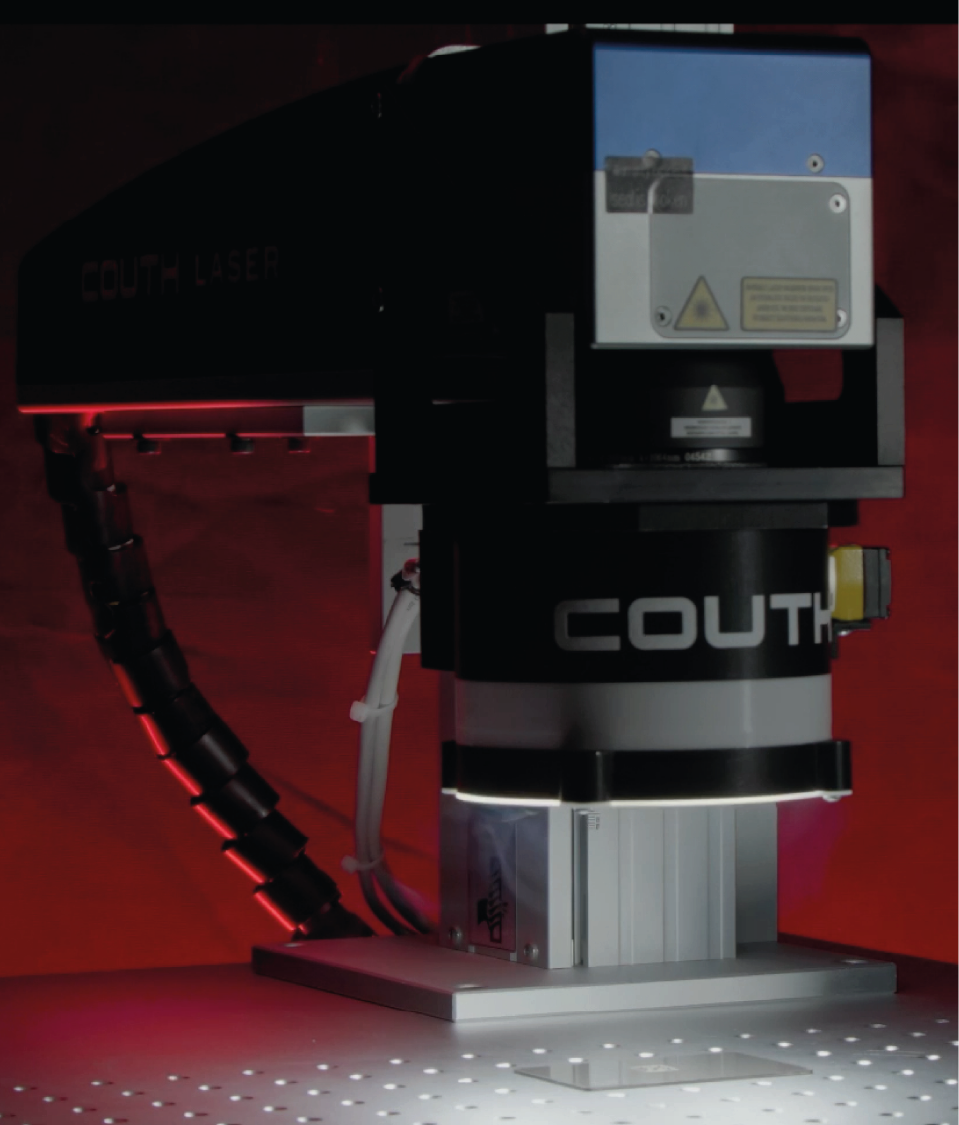
Its galvanometer mirror system enables scanning speeds capable of processing small parts in mere milliseconds, maintaining absolute precision in every stroke.
The CO₂ laser requires periodic inspection of the gas mixture (if it is not a sealed unit) and cleaning of the mirrors and lenses. Since the process typically generates fumes or particles (especially when working with wood or plastics), it is vital to have an efficient extraction system to prevent residues from settling on the optics and affecting the beam power.
Según tus respuestas, necesitamos un poco más de tiempo para darte una recomendación. Por favor, ponte en contacto con nosotros.