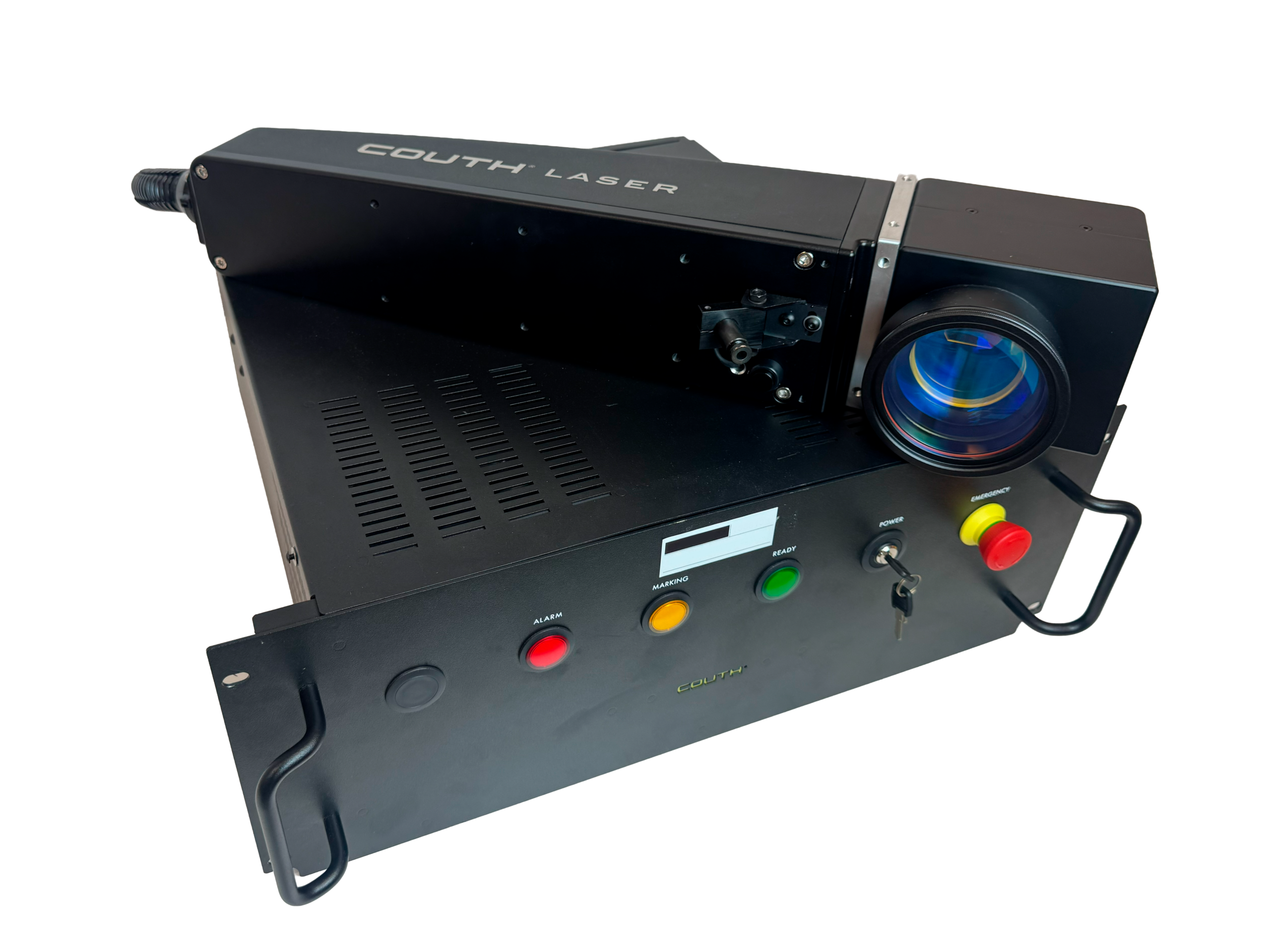
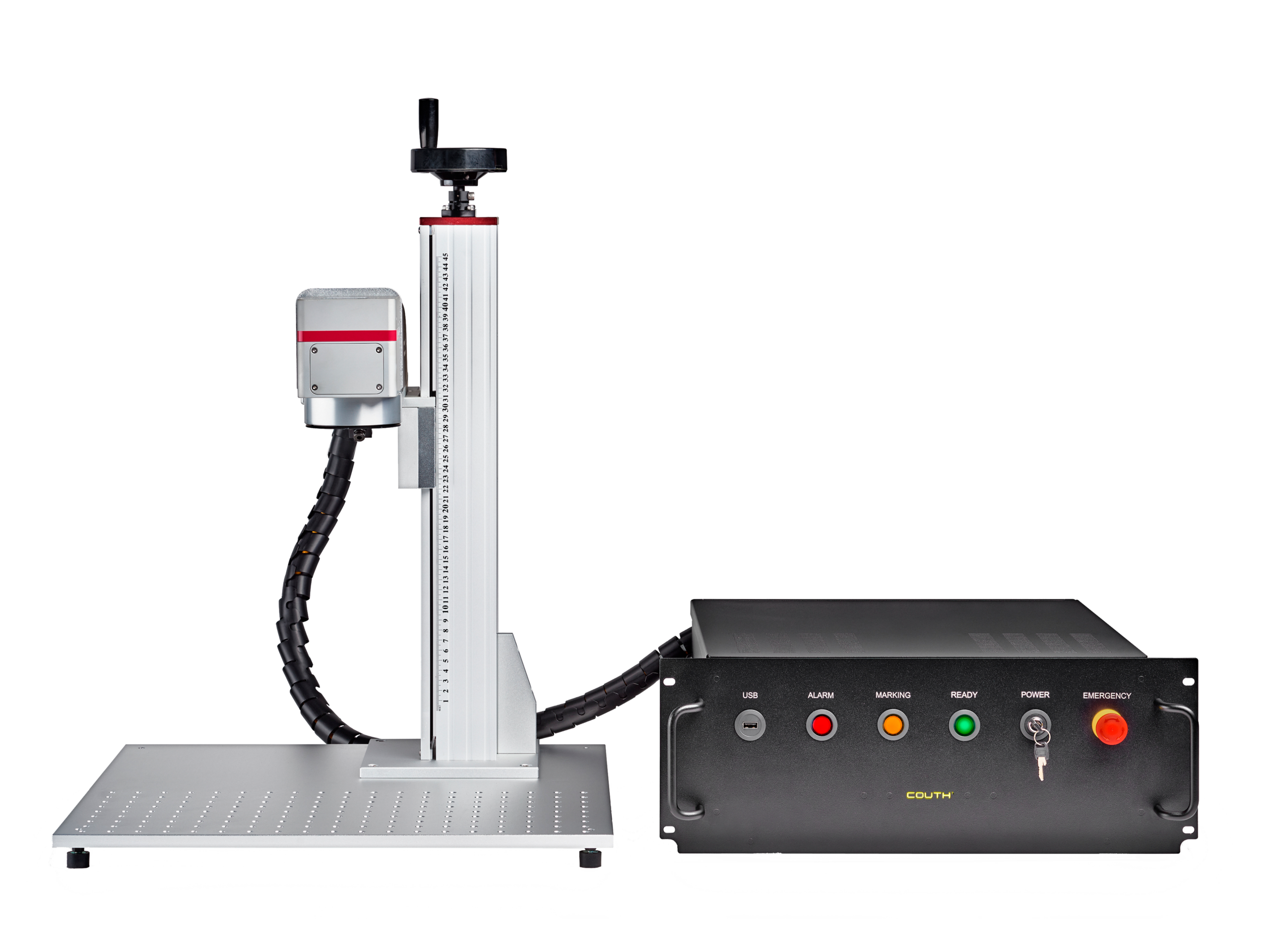
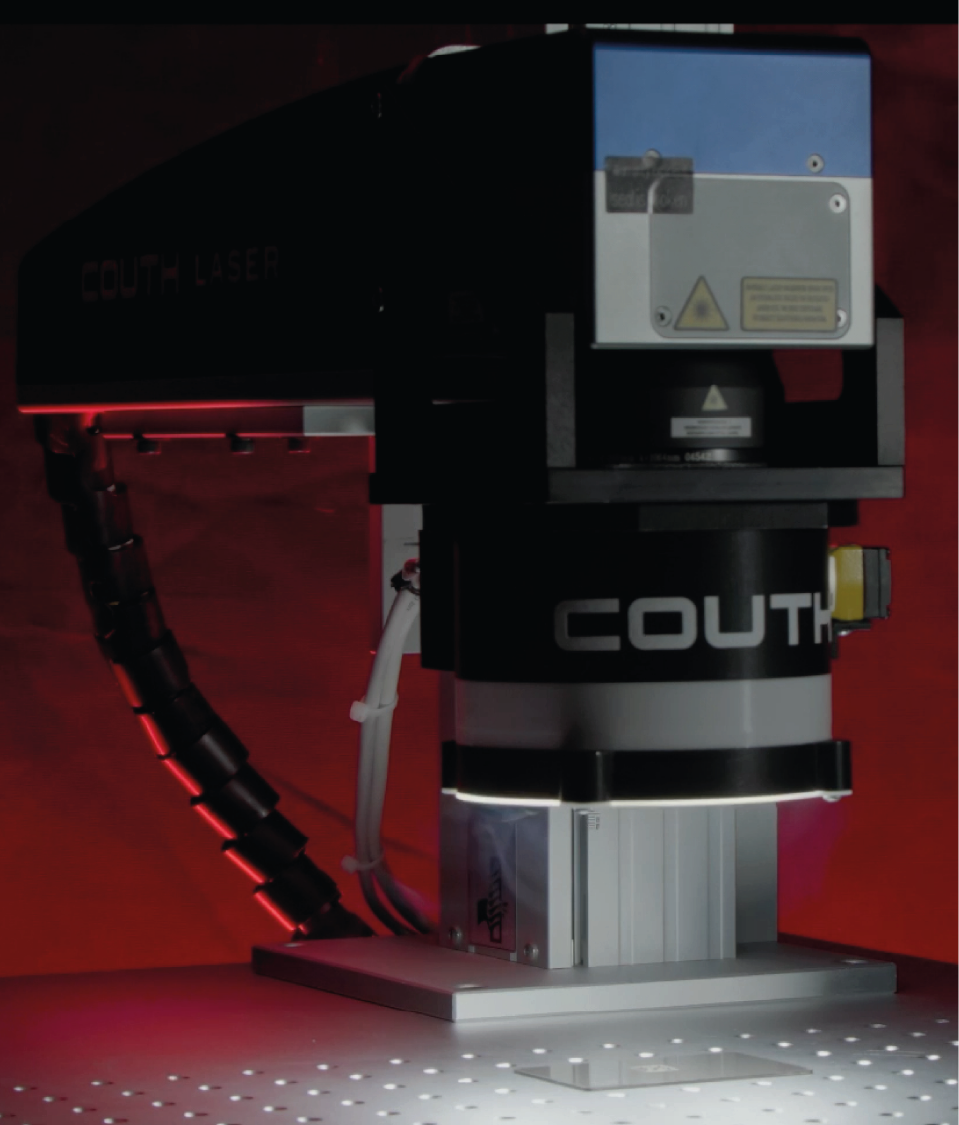
The integration of advanced identification systems is a cornerstone of modern industry. COUTH LASER’s fiber laser markers represent the culmination of decades of engineering dedicated to traceability, offering a solution that combines unmatched processing speed with microscopic resolution.
Designed for demanding environments, this solid-state technology ensures that every component—from a small automotive part to a surgical tool—bears an indelible, secure, and permanent identification, thereby optimizing the global supply chain.
How does a fiber laser differ from other types of lasers?
The main difference lies in the active medium used to generate the beam. While CO₂ lasers use gas and green or UV lasers use specific crystals, the fiber laser uses an optical fiber doped with special chemical elements. This allows for greater energy conversion efficiency, a much finer beam, and a longer service life, making it the most effective technology for working on metals and hard polymers.
What are the advantages of a fiber laser?
The advantages are numerous, including:
Non-contact processes: Fiber-optic marking requires no physical contact with the workpiece, eliminating tool wear and drastically reducing downtime.
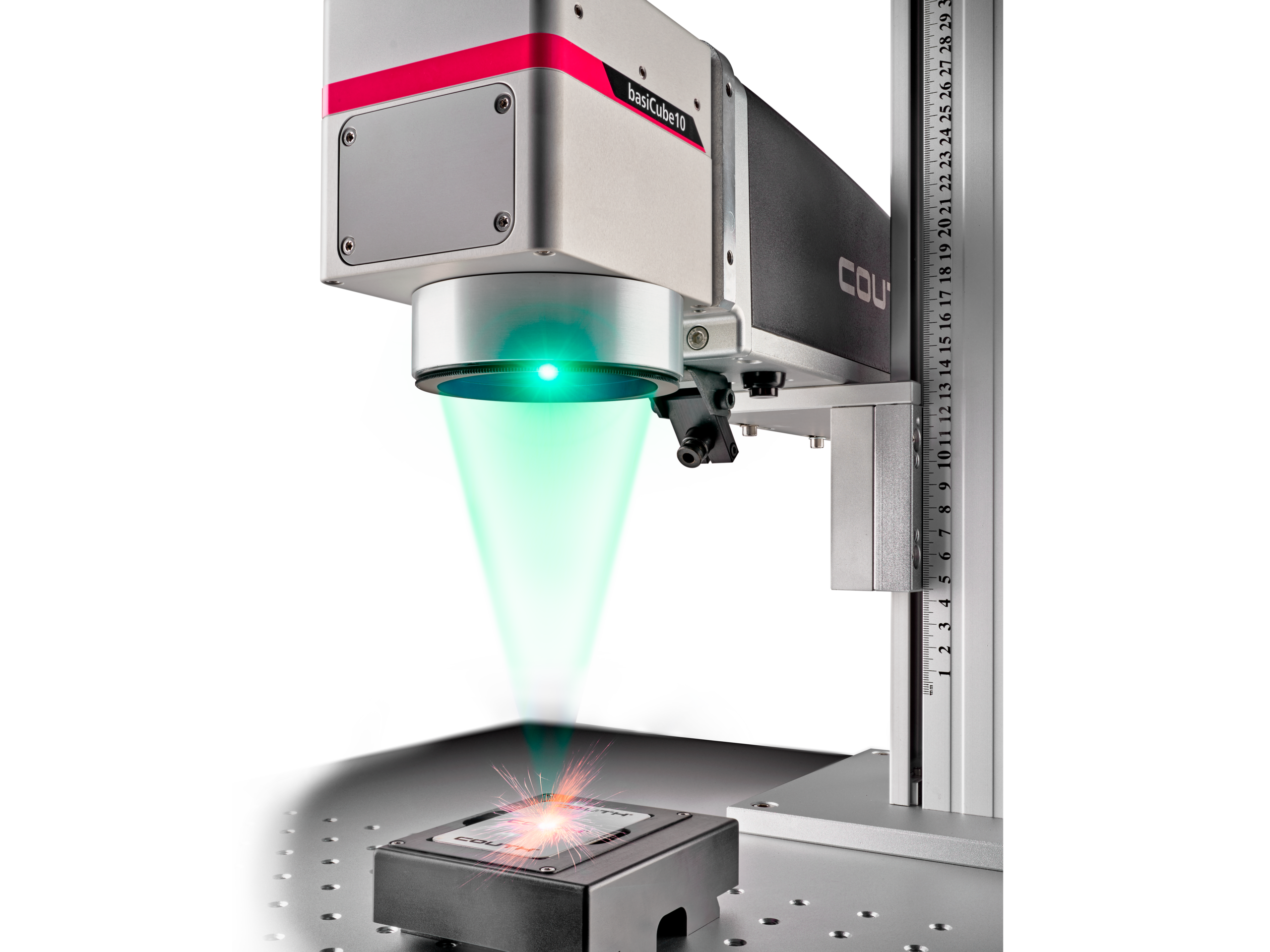
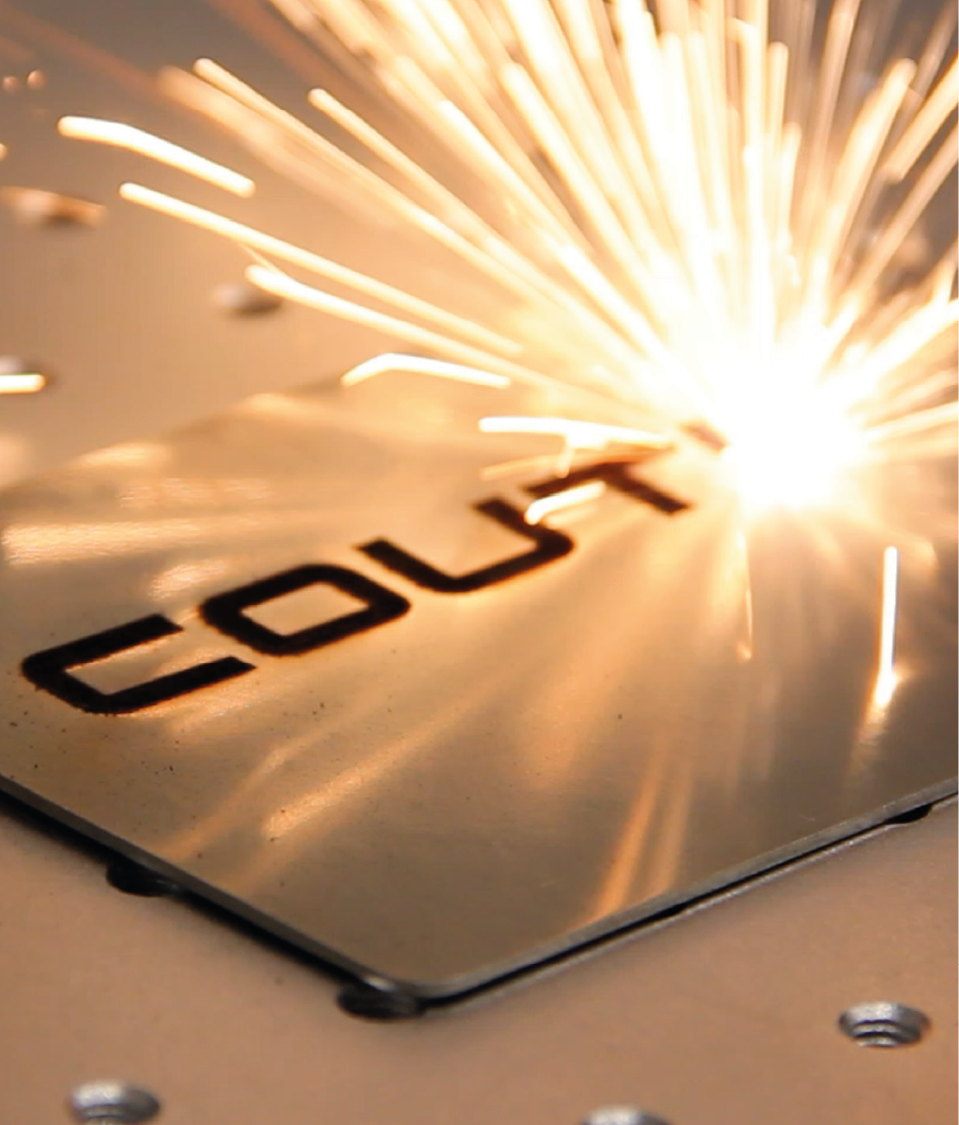
Surgical precision in every engraving: It delivers the highest quality in laser marking; its ability to miniaturize the beam for extreme detail is unmatched.
The architecture of our fiber laser marker allows us to concentrate an enormous amount of energy into an extremely small spot. This energy density facilitates the creation of DataMatrix codes, QR codes, and complex logos with a sharpness that surpasses conventional standards.
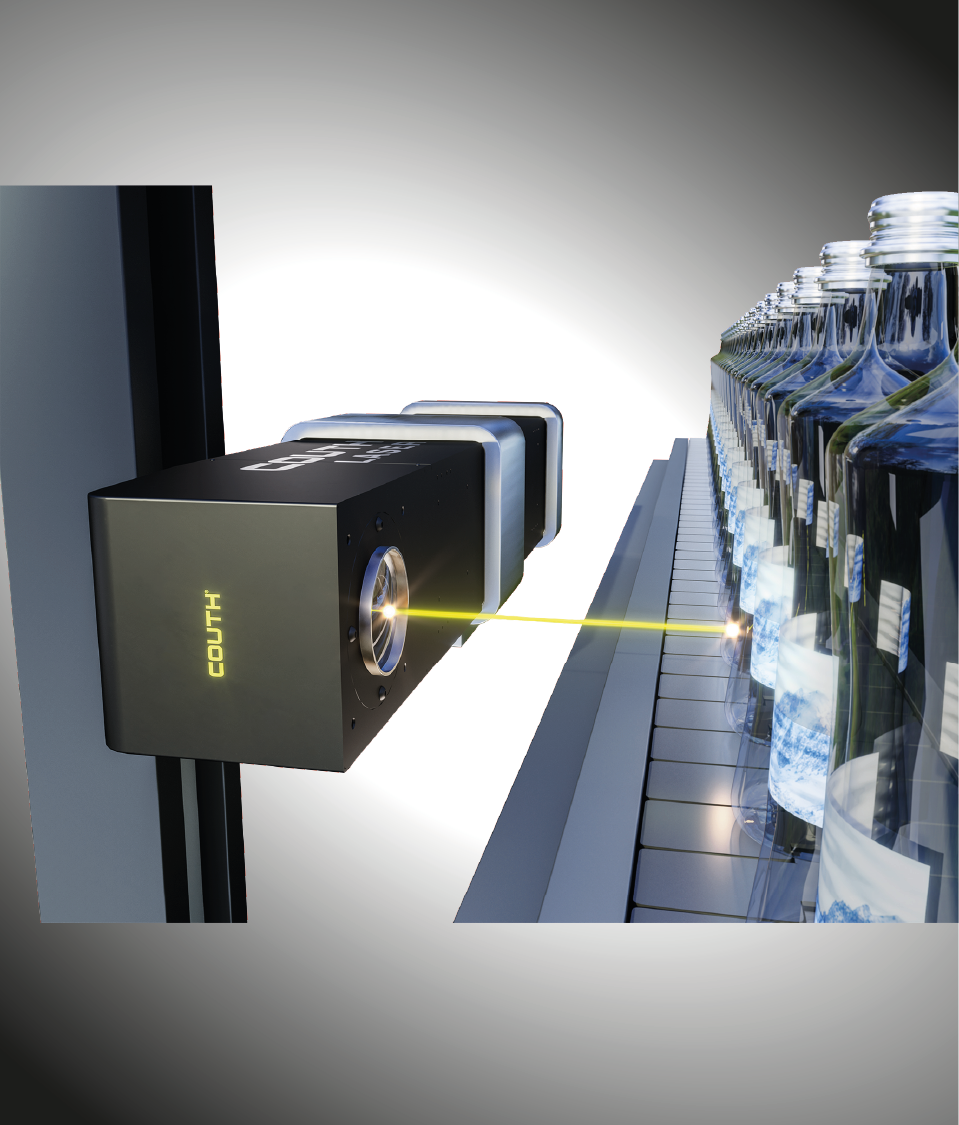
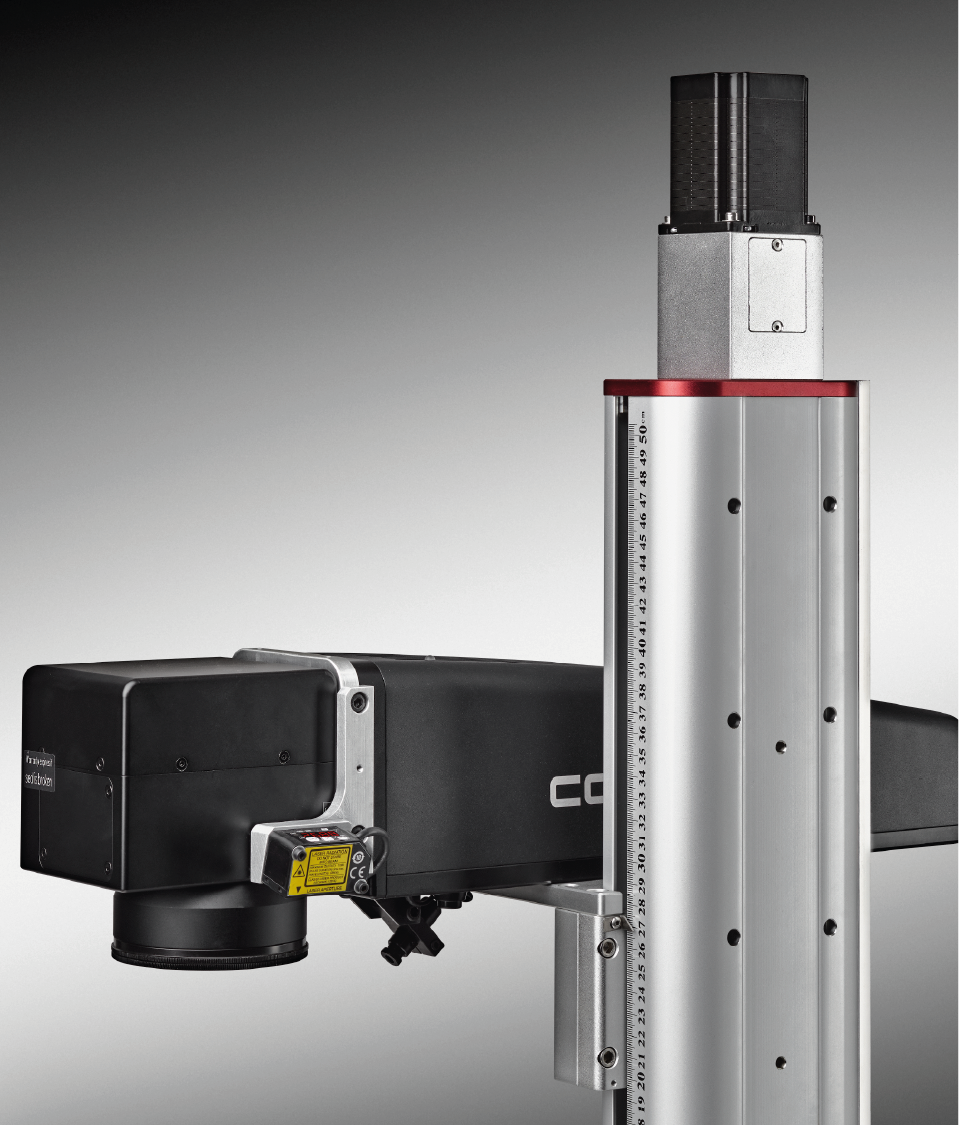
Robustness and integration into production lines: COUTH’s modular design facilitates the implementation of the fiber laser at any point along the production line. Whether through integration heads for automated cells or standalone workstations, connectivity is seamless. Our equipment is ready to communicate with databases and factory management systems (MES/ERP), ensuring that the marked information is consistent and accurate at all times. This digital responsiveness positions our solutions at the forefront of Industry 4.0.
Sustainability and operational efficiency: Adopting a fiber laser marker is not only a strategic decision regarding quality but also profitability. Power consumption is significantly lower compared to gas-based technologies, and the absence of consumables such as inks or chemicals reduces the plant’s environmental footprint. It is an investment designed to operate for thousands of hours with consistent performance, ensuring that the total cost of ownership (TCO) is among the lowest on the market.
strong>Versatility: It offers extensive capabilities as a comprehensive, high-precision solution, capable of marking everything from dynamic codes and serial numbers to complex logos and detailed geometries. Its technology adapts to various materials using techniques such as deep engraving, thermal annealing, or ablation, allowing for a seamless transition between metal parts and engineering plastics.
What materials can I mark with a fiber laser?
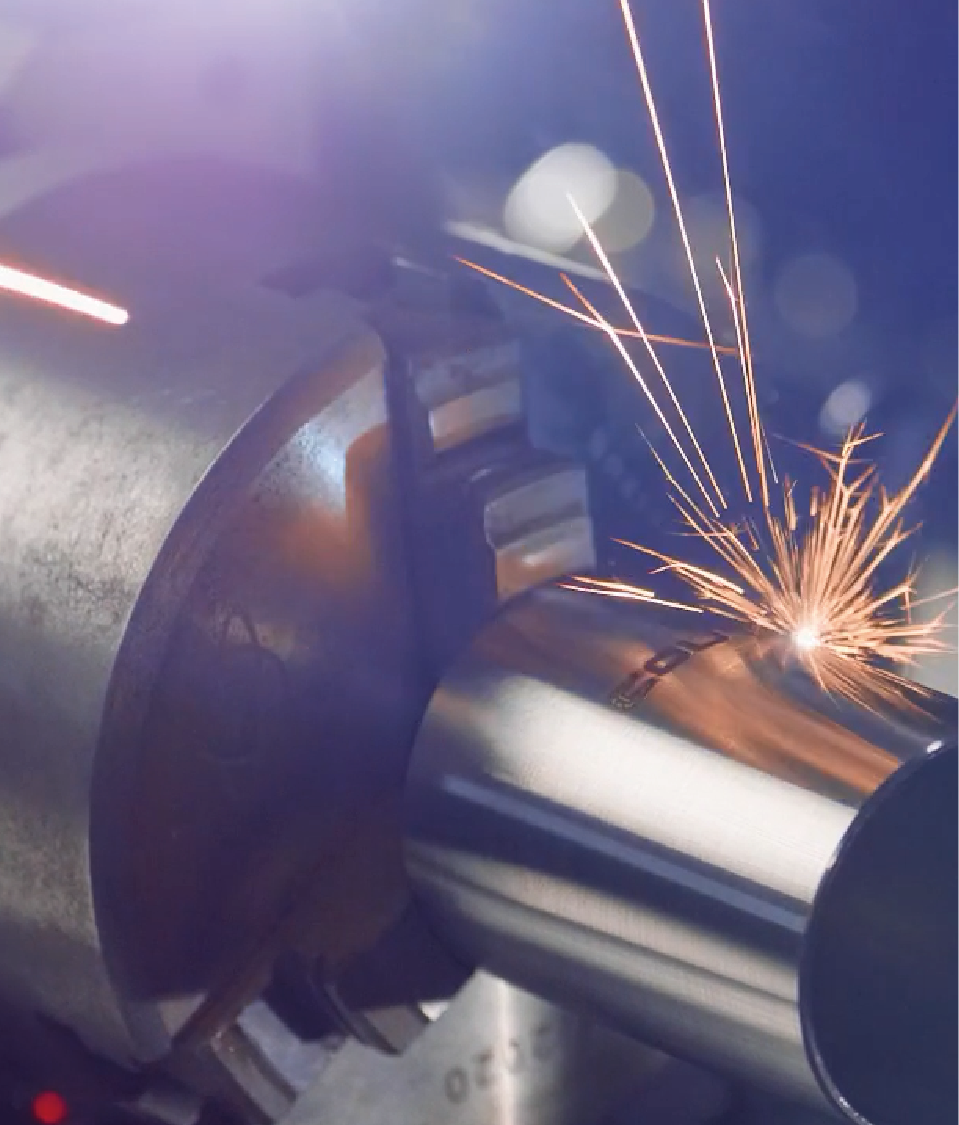
The fiber laser marker is the ideal solution for almost all metals, from stainless steel to carbon steel, aluminum, titanium, brass, copper, and gold.
In addition to metals, it delivers exceptional results on a wide range of engineering plastics such as ABS, polycarbonate, and polyamides, where color contrast is achieved through a thermal chemical reaction without compromising the material’s integrity.
What maintenance does a fiber laser marking machine require?
Maintenance for this equipment is minimal, which is one of its greatest advantages. Since it has no mechanical wear parts or consumables, maintenance tasks are limited mainly to periodically cleaning the protective lens to ensure there are no dust deposits and checking the fume extraction system to maintain a clean work environment and protect the optics from airborne particles.