




Deep Marking, or deep laser marking, is a solution designed to create marks through the controlled removal of material, achieving greater depth than in surface marking processes.
This capability is particularly well-suited for industrial parts and components where identification must be physically integrated into the material or when the process requires a specific marking depth. The process configuration is tailored to the material, the part’s geometry, the required depth, and production requirements.
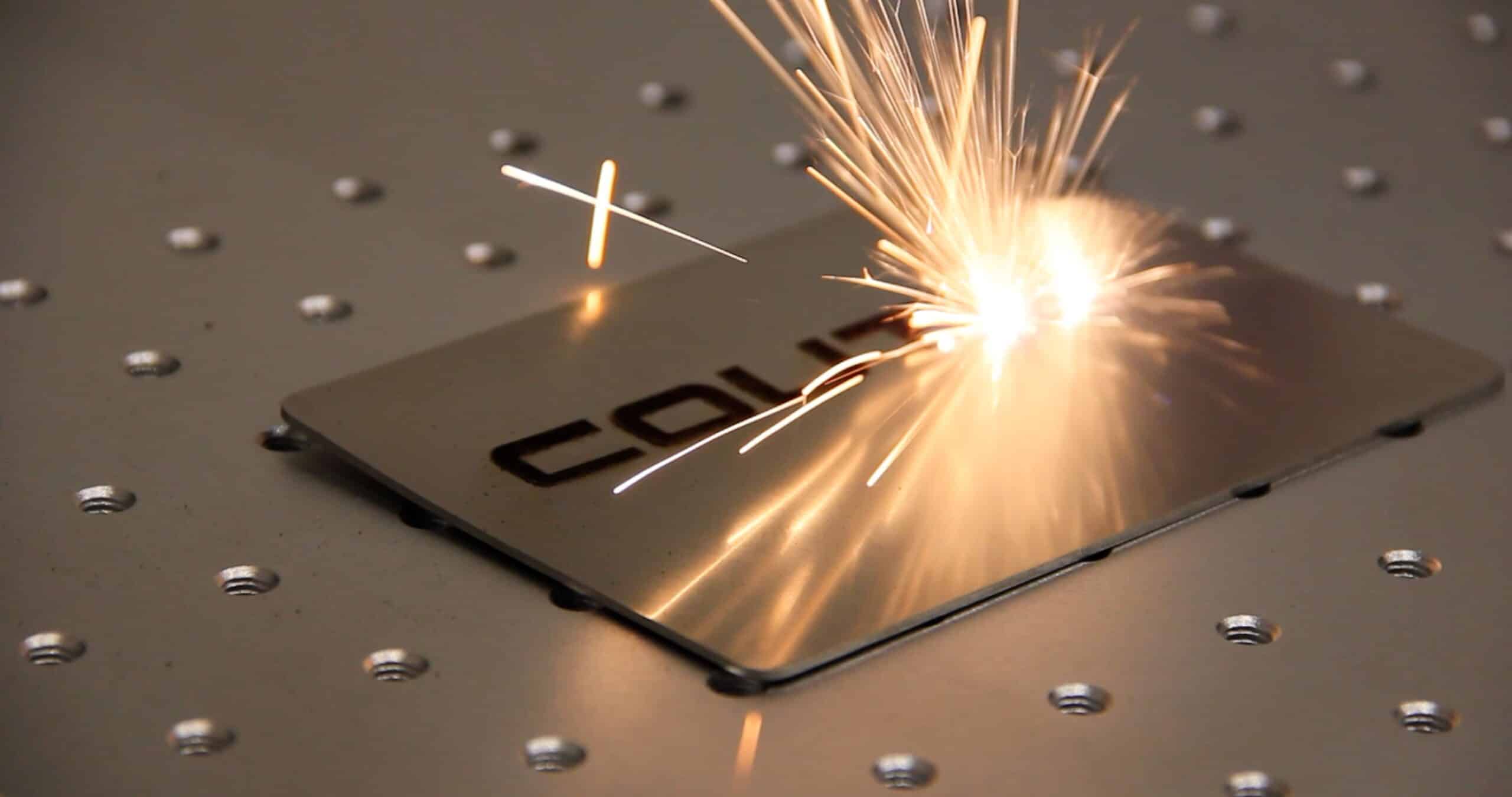
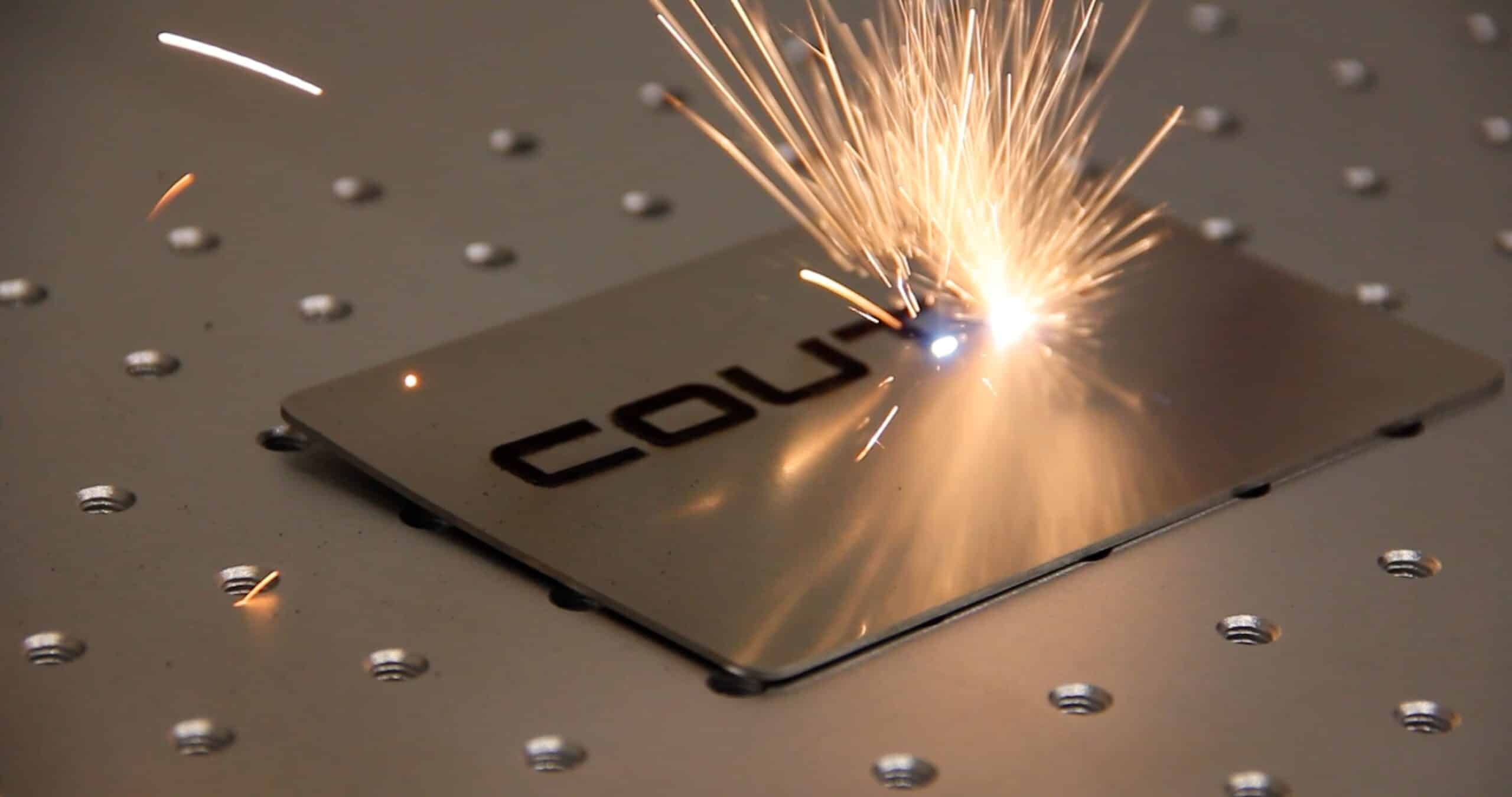
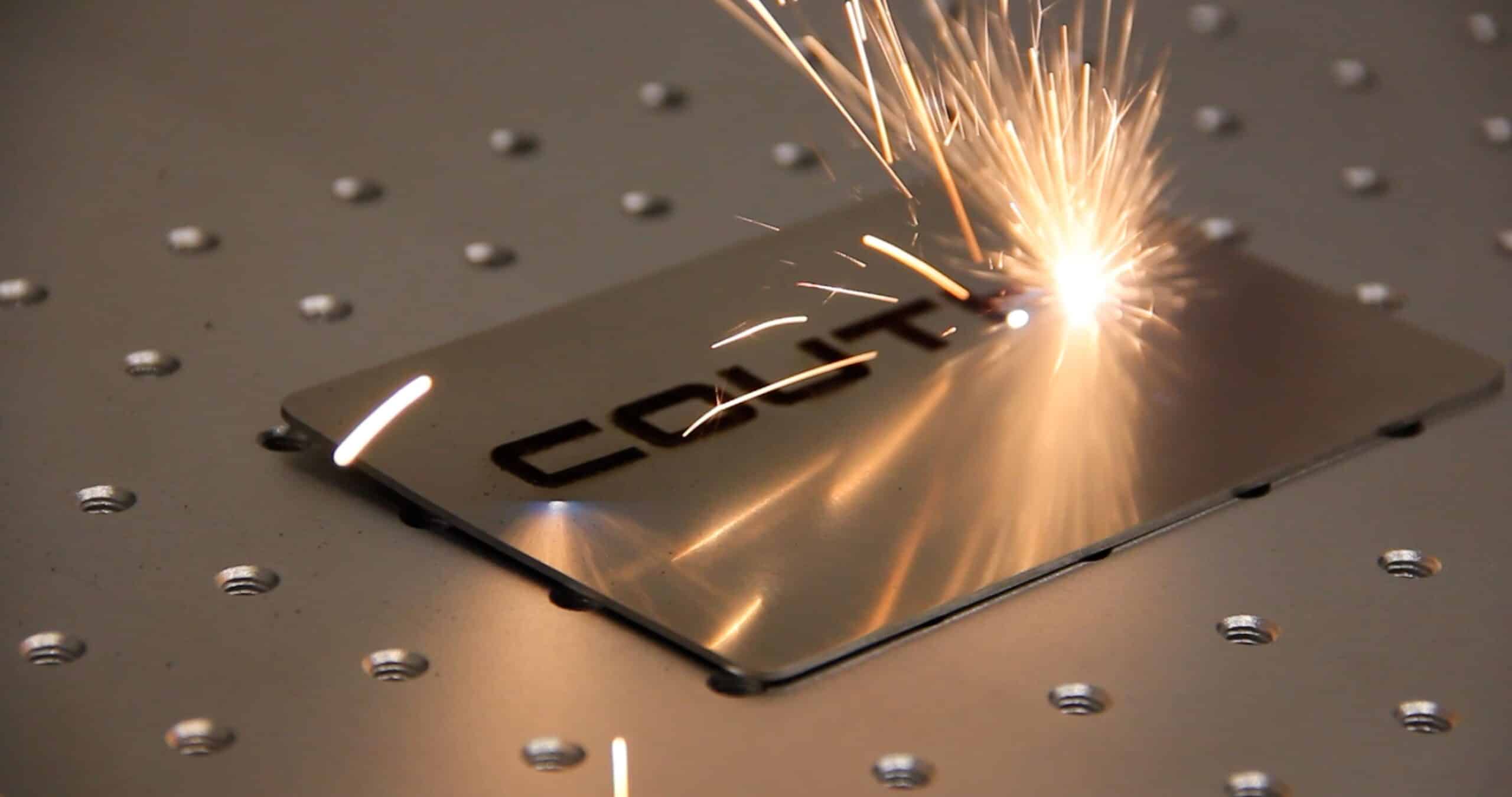
Marking through controlled material removal, enabling the creation of deep marks on the part’s surface.
Depth adaptable to application requirements by configuring the marking parameters.
Ability to create different types of identification, such as text, codes, serial numbers, part numbers, or logos.
Application on industrial components and materials by selecting the appropriate technology and parameters for each case.
Precise control of the marking process, adapting it to the material, geometry, and required result.
Integration into automated production environments, facilitating its incorporation into the industrial process.
Marking through controlled material removal, enabling the creation of deep marks on the part’s surface.
Depth adaptable to application requirements by configuring the marking parameters.
Ability to create different types of identification, such as text, codes, serial numbers, part numbers, or logos.
Application on industrial components and materials by selecting the appropriate technology and parameters for each case.
Precise control of the marking process, adapting it to the material, geometry, and required result.
Integration into automated production environments, facilitating its incorporation into the industrial process.

By creating a deep mark within the material itself, the identification is better suited for applications where surface-only marking is insufficient.
The information is directly marked on the component, eliminating the need for labels or other external identification elements.
Process parameters can be configured based on the material, the required depth, and the specific characteristics of each application.
Control of laser parameters enables the creation of sharp, well-defined marks, even when the application requires working with small text, geometries, or codes.
Deep Marking allows for the incorporation of serial numbers, codes, part numbers, and other identification elements designed to track parts and components throughout their production cycle.
The solution can be integrated into automated cells, stations, and lines, adapting the equipment configuration to the needs of the production process.
By creating a deep mark within the material itself, the identification is better suited for applications where surface-only marking is insufficient.
The information is directly marked on the component, eliminating the need for labels or other external identification elements.
Process parameters can be configured based on the material, the required depth, and the specific characteristics of each application.
Control of laser parameters enables the creation of sharp, well-defined marks, even when the application requires working with small text, geometries, or codes.
Deep Marking allows for the incorporation of serial numbers, codes, part numbers, and other identification elements designed to track parts and components throughout their production cycle.
The solution can be integrated into automated cells, stations, and lines, adapting the equipment configuration to the needs of the production process.
Deep Marking, or deep laser marking, is a process that uses a laser to remove material in a controlled manner and create a mark with a specific depth on the part.
In surface marking, the process acts primarily on the outer layer of the material. Deep Marking progressively removes material to create a mark with greater depth.
The depth achieved depends on factors such as the material, laser technology, power, marking parameters, mark geometry, and processing time.
Depending on the application and configuration, text, serial numbers, part numbers, logos, DataMatrix codes, and other elements used for identification and traceability can be marked.
It depends on the laser technology and the selected configuration. In deep marking applications on metals, materials such as steel, stainless steel, aluminum, titanium, copper, and brass, among others, can be processed. Feasibility and the appropriate parameters must be determined for each material and application.
Según tus respuestas, necesitamos un poco más de tiempo para darte una recomendación. Por favor, ponte en contacto con nosotros.