Industrial pictogram marking allows for the reproduction of graphic symbols, technical icons, safety signs, orientation marks, or visual instructions directly on parts, plates, tools, components, and industrial equipment. This type of marking is used to communicate information quickly and visually, even when it is impractical to include long texts or when the goal is to make interpretation easier for operators, maintenance personnel, or end users.
In industrial settings, pictograms can indicate assembly orientation, hazard zones, warnings, operating position, lubrication points, functional references, control identification, component connections, electrical symbols, maintenance instructions, or safety guidelines. When marked directly onto the part using permanent technologies, the visual information can be retained throughout the equipment’s manufacturing, assembly, use, cleaning, maintenance, and entire lifecycle.
Pictograms can be marked using laser, dot-peen, or scribing, although not all technologies are equally suitable for all designs. Laser marking is usually the most recommended option for pictograms with fine detail, high visual quality, small sizes, or treated surfaces. Dot-peen can be used for simple, robust pictograms on durable metal parts. Scribing may be suitable for linear symbols, arrows, outlines, or orientation marks when a deep, continuous mark with low noise levels is required.
COUTH develops industrial marking and traceability solutions using dot-peen, scribing, and laser technologies. When marking industrial pictograms, the choice of technology must take into account the symbol’s design, the material, the required depth, contrast, durability, legibility, and integration into the production process.

Industrial pictogram marking involves permanently or durably applying a graphic symbol to a part, plate, tool, machine, or component. Unlike a logo, whose primary purpose is usually to identify a brand or manufacturer, a pictogram typically serves an informational, operational, or safety function.
Pictograms must be clear, recognizable, and durable. In many applications, their function is to convey a visual instruction immediately: danger, direction, lock, unlock, connection, correct position, warning, mandatory use, maintenance point, or assembly direction.
Pictograms are used to communicate visual information quickly and permanently. In industry, their value lies in facilitating the interpretation of instructions, warnings, or functions without relying exclusively on text.
Pictograms can indicate risks, warnings, hot zones, moving parts, pinch points, the need for protection, electrical hazards, or instructions for safe use.
An arrow, symbol, or icon can indicate the correct position, assembly direction, orientation of a part, alignment, or assembly sequence.
Pictograms help identify controls, connections, inputs, outputs, adjustment points, valves, switches, buttons, or areas requiring intervention.
They can mark lubrication points, inspection areas, open positions, anchor points, adjustment references, or visual instructions for preventive maintenance.
A clear symbol can prevent incorrect assembly, wrong connections, misuse of a part, or confusion between similar elements.
Pictograms can be useful when the same part, machine, or equipment is used in different markets or by operators who speak different languages. A properly designed symbol reduces reliance on text.
Pictograms can be combined with alphanumeric text, serial numbers, DataMatrix codes, QR codes, logos, or part numbers to provide functional information, traceability, and visual identification.
Pictogram marking can be performed using laser, dot-peen, or scribing, provided the design is compatible with the selected technology. The choice should be based on the level of detail, the material, the symbol size, the depth, the contrast, and the required durability.
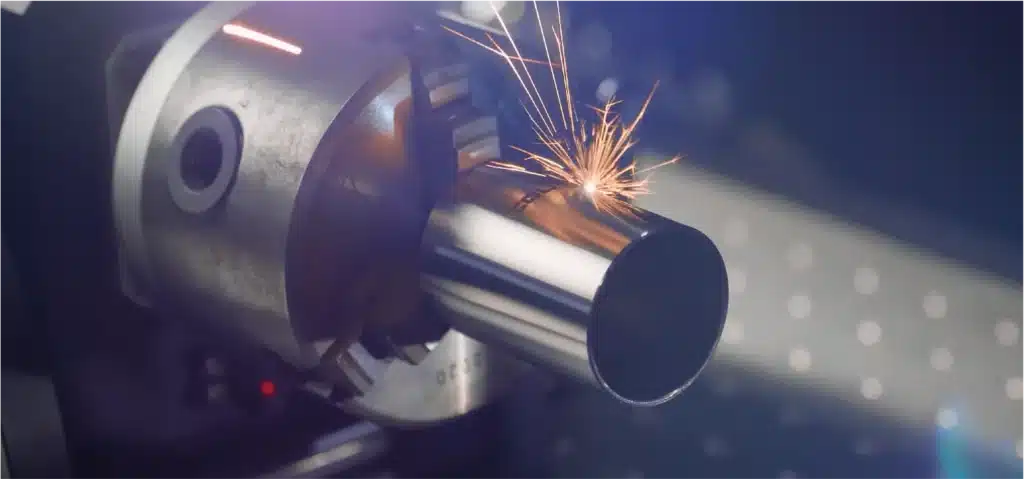
Laser marking of pictograms uses a focused beam to modify the material’s surface and reproduce the symbol with precision. It can produce contrast, engraving, annealing, ablation, foaming, or coating removal, depending on the material and the parameters used.
The laser traces, fills, or shades the areas of the pictogram based on a graphic file. It can handle outlines, fills, vector icons, associated text, and small elements. The marking is produced without mechanical contact with the part.
Laser marking of pictograms can be applied, subject to validation, to:
Laser marking is recommended when the pictogram requires high legibility, fine detail, small size, a high-quality visual finish, or integration with text and codes. It is also suitable for panels, plates, faceplates, treated surfaces, electronic components, and delicate parts.
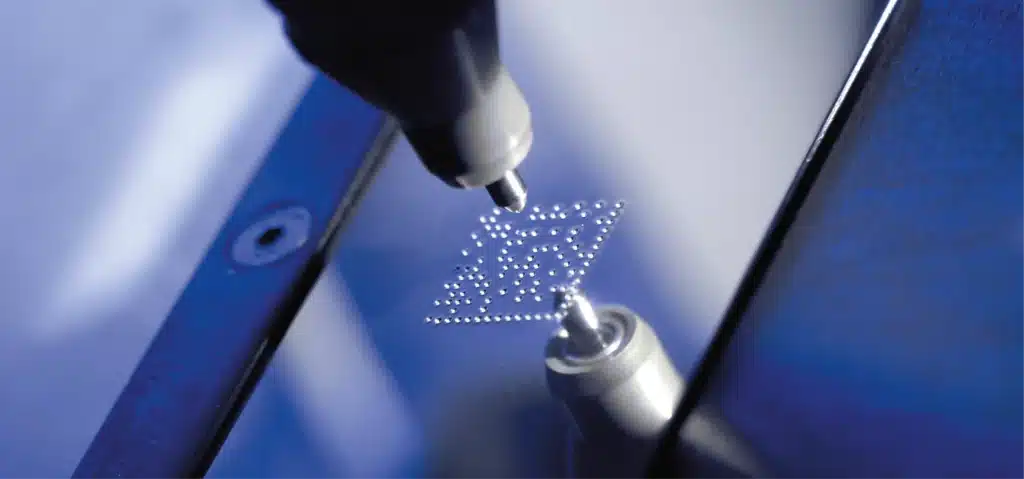
Dot-peen marking creates the mark through controlled impacts of a tip against the surface. For pictograms, this technology can reproduce simple symbols using a series of dots.
The tip impacts the surface, following the outline or filling in the pictogram. The result is a dotted, permanent, and durable mark, suitable for simple symbols or pictograms with low graphic complexity.
Dot-peen can be used on:
Dot-peen may be recommended when marking a simple pictogram on a robust part, where permanence takes priority over aesthetic quality. It is useful for tools, jigs, machined parts, functional plates, or industrial components where a dotted finish is acceptable.
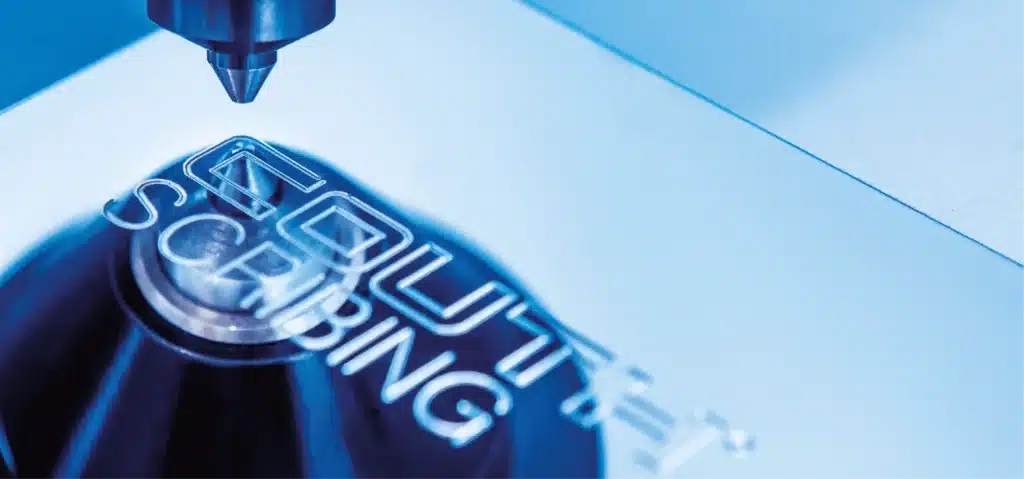
Scribing marking creates the mark using a tip that penetrates and moves across the surface, creating continuous lines. It can be used for linear pictograms, arrows, directional symbols, or icons with clear outlines.
The scribing tip follows the lines of the design and creates a continuous incision. The result is a permanent, deep mark that is quieter than impact-based technologies.
Scratch marking can be used primarily on:
Laser engraving may be recommended for pictograms consisting of simple lines, arrows, technical symbols, or directional marks, especially when a deep, quiet, and permanent mark is desired.
Laser marking of pictograms uses a focused beam to modify the material’s surface and reproduce the symbol with precision. It can produce contrast, engraving, annealing, ablation, foaming, or coating removal, depending on the material and the parameters used.
The laser traces, fills, or shades the areas of the pictogram based on a graphic file. It can handle outlines, fills, vector icons, associated text, and small elements. The marking is produced without mechanical contact with the part.
Laser marking of pictograms can be applied, subject to validation, to:
Laser marking is recommended when the pictogram requires high legibility, fine detail, small size, a high-quality visual finish, or integration with text and codes. It is also suitable for panels, plates, faceplates, treated surfaces, electronic components, and delicate parts.
Dot-peen marking creates the mark through controlled impacts of a tip against the surface. For pictograms, this technology can reproduce simple symbols using a series of dots.
The tip impacts the surface, following the outline or filling in the pictogram. The result is a dotted, permanent, and durable mark, suitable for simple symbols or pictograms with low graphic complexity.
Dot-peen can be used on:
Dot-peen may be recommended when marking a simple pictogram on a robust part, where permanence takes priority over aesthetic quality. It is useful for tools, jigs, machined parts, functional plates, or industrial components where a dotted finish is acceptable.
Scribing marking creates the mark using a tip that penetrates and moves across the surface, creating continuous lines. It can be used for linear pictograms, arrows, directional symbols, or icons with clear outlines.
The scribing tip follows the lines of the design and creates a continuous incision. The result is a permanent, deep mark that is quieter than impact-based technologies.
Scratch marking can be used primarily on:
Laser engraving may be recommended for pictograms consisting of simple lines, arrows, technical symbols, or directional marks, especially when a deep, quiet, and permanent mark is desired.
Industrial pictogram marking can be applied to various materials. The appropriate technology depends on the material, finish, level of detail, depth, and required visual quality.
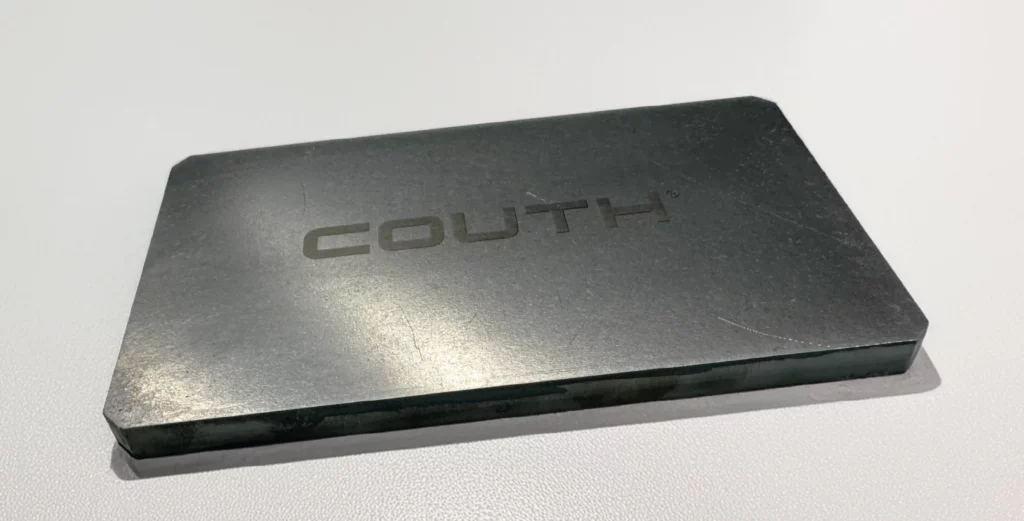
Steel can be marked using laser, dot-peen, or scratching. For detailed pictograms, laser marking is usually the most suitable option. Dot-peen and scratching can be used for simple symbols when depth or durability is prioritized.
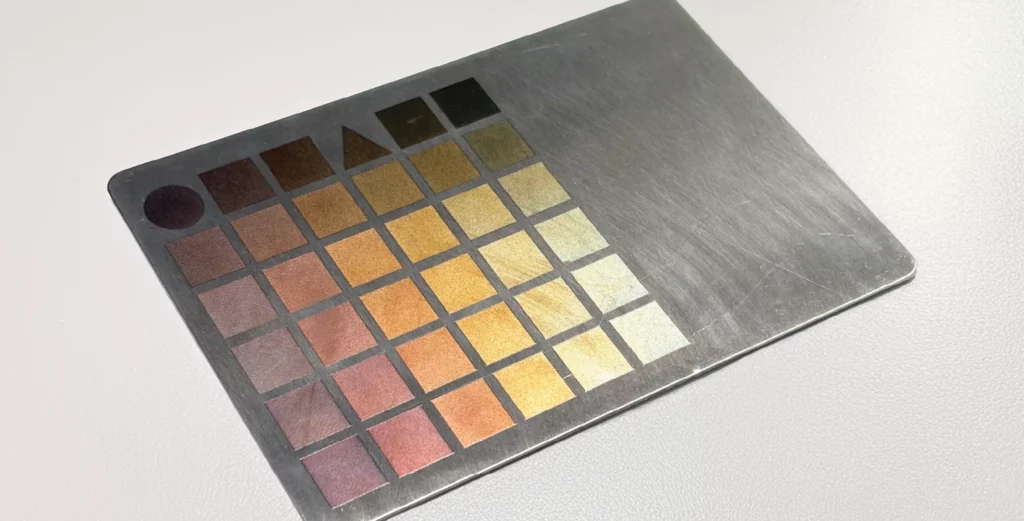
Stainless steel is compatible with all three technologies, although laser marking is usually recommended when a clean, precise, and visually refined mark is desired. In critical applications, the impact of the marking on the surface finish and corrosion resistance must be validated.
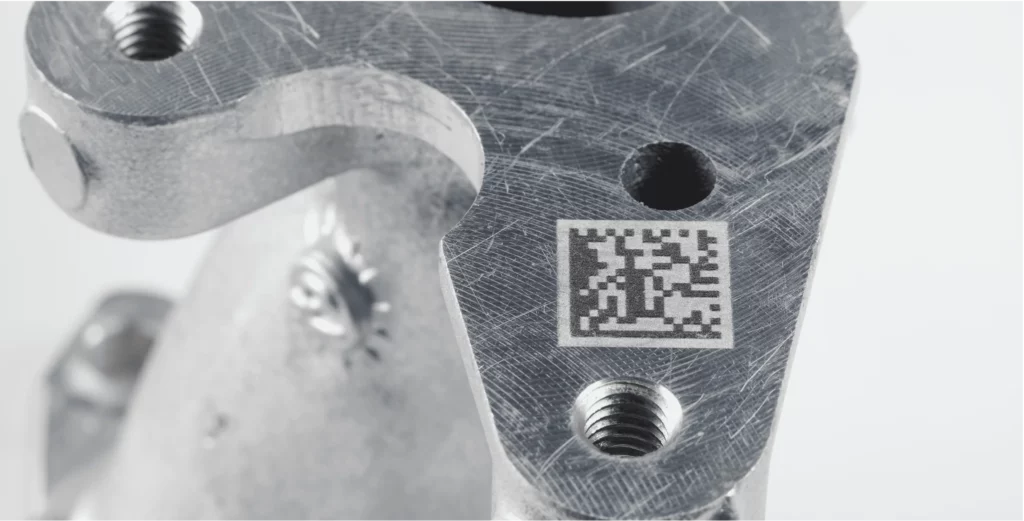
Aluminum can be marked using laser, dot-peen, or engraving. On anodized aluminum, laser marking typically offers good contrast and high definition, making it particularly suitable for pictograms, panels, faceplates, and nameplates.
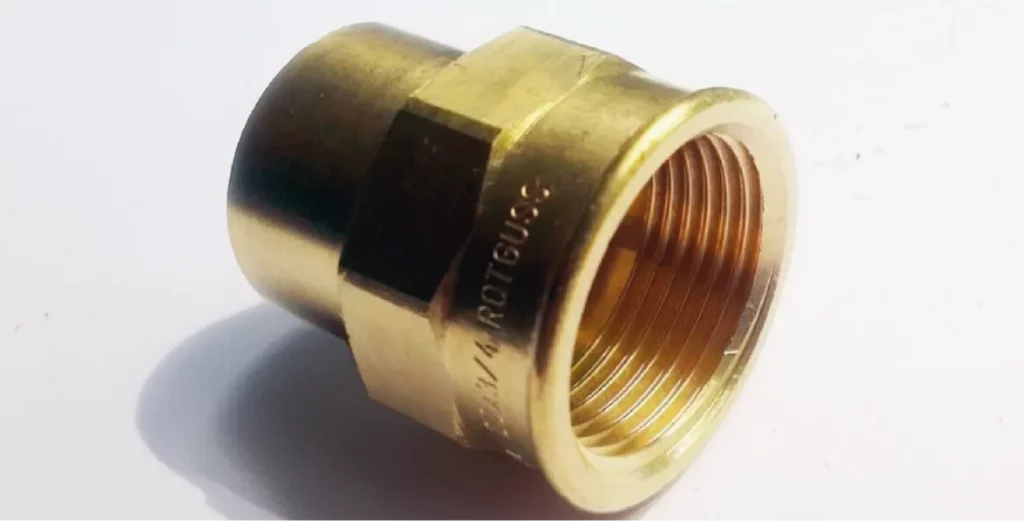
Brass can be marked using laser, dot-peen, or engraving. Laser marking is suitable for pictograms with visual detail; engraving can work well for linear symbols; dot-peen can be used for simple designs.
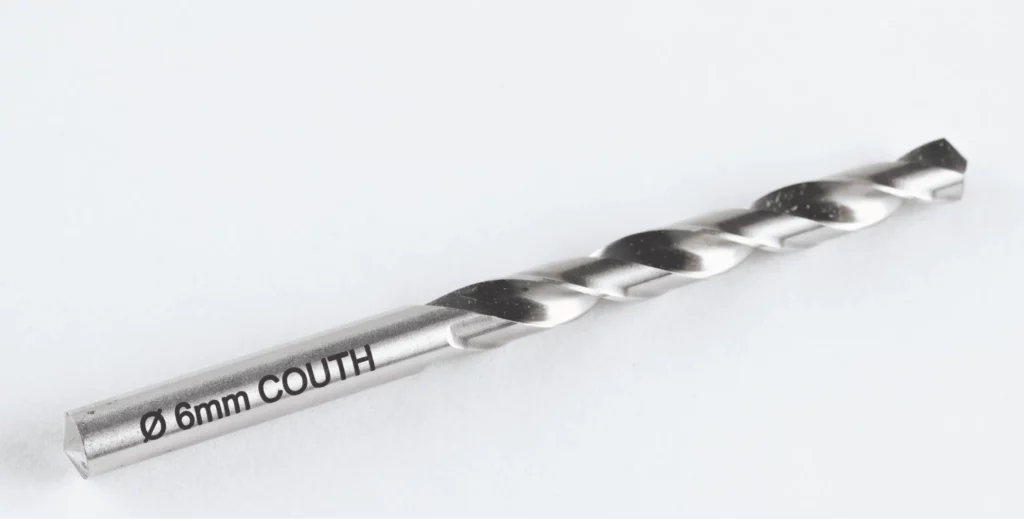
Titanium can be marked by laser and, in validated applications, by dot-peen or engraving. For precision pictograms, laser marking is usually preferable due to its non-contact nature and precision.
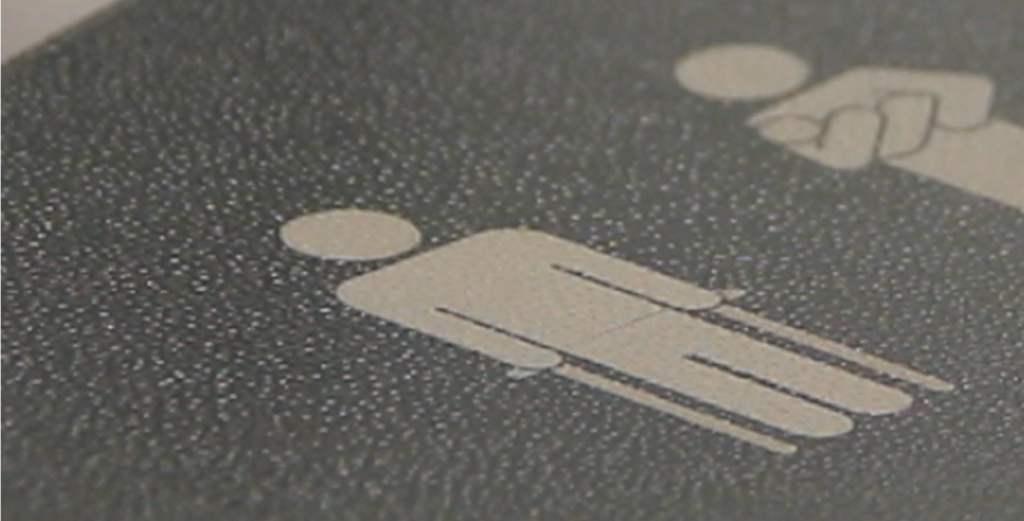
Some engineering plastics can be marked by laser if their composition allows for stable contrast. Dot-peen may be viable on sufficiently durable materials, although laser marking is usually preferred for detailed pictograms.
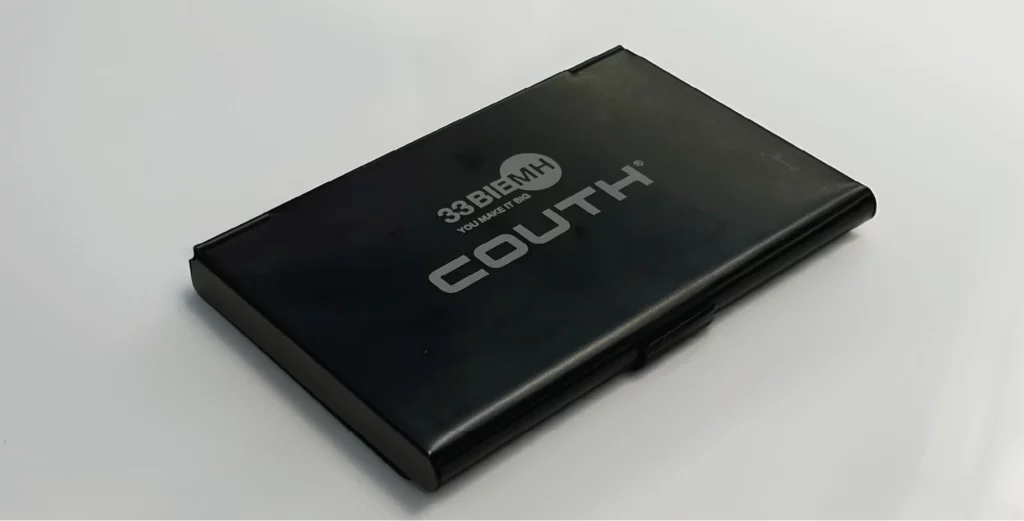
On treated surfaces, laser marking can selectively modify or remove the surface layer to create contrast. This is useful for anodized plates, faceplates, panels, painted parts, or components with coatings.
The quality of the result depends on both the technology and the source file. A pictogram used in documentation, print, or digital interfaces is not always optimized for industrial marking.
Whenever possible, it is best to work with vector files. They allow the pictogram to be scaled without loss of quality and facilitate the reproduction of outlines, curves, and proportions.
For small pictograms or those marked using mechanical technologies, it may be necessary to simplify details, remove halftones, increase minimum line widths, or adjust proportions.
Lines that are too thin, small spaces, or tiny text may become illegible. It is important to define the minimum mark size and validate the result on the actual part.
The design must be adapted to the contrast that can be achieved on the material. Not all colors, fills, or symbols from a digital pictogram can be directly transferred to a monochrome industrial mark.
Laser marking can handle outlines, fills, and shaded areas. Dot-peen and engraving are typically better suited for outlines or simplified designs.
Before production, it is recommended to validate the pictogram on an actual sample to check size, contrast, definition, depth, and durability.
Whenever possible, it is best to work with vector files. They allow the pictogram to be scaled without loss of quality and facilitate the reproduction of outlines, curves, and proportions.
For small pictograms or those marked using mechanical technologies, it may be necessary to simplify details, remove halftones, increase minimum line widths, or adjust proportions.
Lines that are too thin, small spaces, or tiny text may become illegible. It is important to define the minimum mark size and validate the result on the actual part.
The design must be adapted to the contrast that can be achieved on the material. Not all colors, fills, or symbols from a digital pictogram can be directly transferred to a monochrome industrial mark.
Laser marking can handle outlines, fills, and shaded areas. Dot-peen and engraving are typically better suited for outlines or simplified designs.
Before production, it is recommended to validate the pictogram on an actual sample to check size, contrast, definition, depth, and durability.

Pictograms allow functional or safety information to be conveyed quickly, even without reading long texts.

The marking can be integrated into the part, plate, or equipment, reducing reliance on labels, stickers, or surface prints.

A clear pictogram can prevent incorrect assembly, wrong connections, misuse, or confusion between similar parts.

Warning, risk, mandatory, or correct-use symbols can help reinforce safety instructions on machines, equipment, or components.

Pictograms can facilitate understanding in environments where operators, technicians, or users speak different languages.

They can be combined with DataMatrix codes, QR codes, serial numbers, part numbers, logos, or alphanumeric text to provide visual, technical, and traceable information.

Pictograms can be marked on metals, engineering plastics, anodized surfaces, painted parts, or treated plates, subject to prior validation.

Especially when using laser marking, it is possible to reproduce symbols with high definition, clean edges, and controlled contrast.
Pictograms allow functional or safety information to be conveyed quickly, even without reading long texts.
The marking can be integrated into the part, plate, or equipment, reducing reliance on labels, stickers, or surface prints.
A clear pictogram can prevent incorrect assembly, wrong connections, misuse, or confusion between similar parts.
Warning, risk, mandatory, or correct-use symbols can help reinforce safety instructions on machines, equipment, or components.
Pictograms can facilitate understanding in environments where operators, technicians, or users speak different languages.
They can be combined with DataMatrix codes, QR codes, serial numbers, part numbers, logos, or alphanumeric text to provide visual, technical, and traceable information.
Pictograms can be marked on metals, engineering plastics, anodized surfaces, painted parts, or treated plates, subject to prior validation.
Especially when using laser marking, it is possible to reproduce symbols with high definition, clean edges, and controlled contrast.
Not all pictograms have the same requirements. A decorative symbol, a directional arrow, a safety warning, or a maintenance icon may require different levels of visibility and durability.
The more complex the pictogram, the greater the need for high-definition technology, such as laser marking. Simple symbols can be produced using dot-peen or engraving if the surface finish is compatible.
The size of the marking area determines the level of detail that can be reproduced. A very small pictogram may require simplification or laser marking.
The material affects contrast, depth, deformation, thermal response, and the durability of the mark.
Polished, rough, painted, anodized, shot-blasted, or coated surfaces can alter the final appearance of the pictogram.
If the pictogram must withstand heavy wear, a deeper mark may be required. If visual communication is the priority, a high-contrast surface mark may be sufficient.
Not all technologies offer the same finish. Laser marking typically provides the best visual quality; dot-peen and scribing are better suited for functional, robust, or deep marks.
Fine lines, small arrows, complex symbols, or standardized pictograms must be validated before production.
The marking may be exposed to oils, greases, cleaning agents, abrasion, temperature, humidity, or subsequent processes such as painting, machining, or shot blasting.
The marker can be installed in a manual station, automated line, robotic cell, or custom solution. Integration must take into account cycle time, clamping, access, and safety.
Not all pictograms have the same requirements. A decorative symbol, a directional arrow, a safety warning, or a maintenance icon may require different levels of visibility and durability.
The more complex the pictogram, the greater the need for high-definition technology, such as laser marking. Simple symbols can be produced using dot-peen or engraving if the surface finish is compatible.
The size of the marking area determines the level of detail that can be reproduced. A very small pictogram may require simplification or laser marking.
The material affects contrast, depth, deformation, thermal response, and the durability of the mark.
Polished, rough, painted, anodized, shot-blasted, or coated surfaces can alter the final appearance of the pictogram.
If the pictogram must withstand heavy wear, a deeper mark may be required. If visual communication is the priority, a high-contrast surface mark may be sufficient.
Not all technologies offer the same finish. Laser marking typically provides the best visual quality; dot-peen and scribing are better suited for functional, robust, or deep marks.
Fine lines, small arrows, complex symbols, or standardized pictograms must be validated before production.
The marking may be exposed to oils, greases, cleaning agents, abrasion, temperature, humidity, or subsequent processes such as painting, machining, or shot blasting.
The marker can be installed in a manual station, automated line, robotic cell, or custom solution. Integration must take into account cycle time, clamping, access, and safety.
Pictograms for risk, warning, mandatory action, protection, moving parts, high temperature, electrical hazard, or work zones.
Arrows, orientation marks, correct position, alignment, direction of rotation, or assembly sequence.
Symbols for on, off, lock, unlock, adjustment, pressure, open, close, or activation.
Lubrication points, inspection areas, adjustment references, open positions, or visual maintenance instructions.
Pictograms on control panels, nameplates, front panels, machine interfaces, or control elements.
Electrical, pneumatic, hydraulic, mechanical, or functional symbols on components, connectors, valves, or accessories.
Usage markings, assembly direction, ownership identification, quick instructions, or calibration symbols.
Pictograms to facilitate the assembly, replacement, orientation, or maintenance of replacement parts.
In the automotive industry, pictograms can be marked on metal and plastic parts, plates, tools, jigs, assembly components, panels, and subassemblies. They can indicate orientation, position, warnings, assembly direction, or functional instructions.
In aeronautics, pictograms can be applied to plates, technical components, panels, tools, jigs, or maintenance parts. The technology must be selected considering material, finish, weight, corrosion, fatigue, and documentation requirements.
In the railroad industry, pictograms can be used on plates, replacement parts, metal components, panels, maintenance equipment, and safety elements. Durability and long-term legibility are important factors.
In machining, casting, stamping, or metal fabrication, pictograms can be marked on parts, plates, tools, jigs, components manufactured for third parties, or process control elements.
In industrial machinery, pictogram marking is used on manufacturer’s nameplates, panels, frames, housings, controls, safety components, spare parts, and maintenance equipment.
In the energy, gas, and oil sectors, pictograms can be marked on nameplates, valves, flanges, tools, spare parts, or technical components. The marking must withstand handling, oils, dirt, cleaning, and harsh environmental conditions.
In electronics, pictograms can be marked on enclosures, connectors, heat sinks, panels, circuit boards, interfaces, and plastic and metal components. Laser marking is often particularly well-suited due to its precision and non-contact nature.
Tools, molds, dies, gauges, and assembly fixtures can be marked with pictograms to indicate usage, orientation, ownership, calibration, or maintenance.
In the automotive industry, pictograms can be marked on metal and plastic parts, plates, tools, jigs, assembly components, panels, and subassemblies. They can indicate orientation, position, warnings, assembly direction, or functional instructions.
In aeronautics, pictograms can be applied to plates, technical components, panels, tools, jigs, or maintenance parts. The technology must be selected considering material, finish, weight, corrosion, fatigue, and documentation requirements.
In the railroad industry, pictograms can be used on plates, replacement parts, metal components, panels, maintenance equipment, and safety elements. Durability and long-term legibility are important factors.
In machining, casting, stamping, or metal fabrication, pictograms can be marked on parts, plates, tools, jigs, components manufactured for third parties, or process control elements.
In industrial machinery, pictogram marking is used on manufacturer’s nameplates, panels, frames, housings, controls, safety components, spare parts, and maintenance equipment.
In the energy, gas, and oil sectors, pictograms can be marked on nameplates, valves, flanges, tools, spare parts, or technical components. The marking must withstand handling, oils, dirt, cleaning, and harsh environmental conditions.
In electronics, pictograms can be marked on enclosures, connectors, heat sinks, panels, circuit boards, interfaces, and plastic and metal components. Laser marking is often particularly well-suited due to its precision and non-contact nature.
Tools, molds, dies, gauges, and assembly fixtures can be marked with pictograms to indicate usage, orientation, ownership, calibration, or maintenance.
The choice between laser, dot-peen, and engraving depends on the pictogram’s design, the material, the depth, the visual quality, and the environment in which it will be used.
Laser marking may be recommended when:
Dot-peen may be recommended when:
Scribing may be recommended when:
It is always advisable to conduct tests, especially if:
Laser marking may be recommended when:
Dot-peen may be recommended when:
Scribing may be recommended when:
It is always advisable to conduct tests, especially if:
Yes. A pictogram can be marked on parts, plates, tools, panels, or industrial components using laser, dot-peen, or engraving, depending on the design, material, size, and required visual quality.
It depends on the pictogram and the application. Laser marking is usually the best option for detailed, small, or high-visual-quality pictograms. Dot-peencan be used for simple symbols on robust parts. Engraving is suitable for linear or outline pictograms when depth is required.
Yes. Laser marking is a highly suitable technology for marking industrial pictograms, especially when definition, contrast, precision, and the absence of mechanical contact are required.
Yes, provided the design is simple and the dotted finish is acceptable. Dot-peen may be suitable for arrows, functional symbols, or simple pictograms on sturdy metal parts.
Yes, in certain cases. Scribing can be used for pictograms consisting of lines, outlines, arrows, or simple symbols, especially when a deep mark with low noise levels is required.
Vector formats are the most recommended, such as AI, SVG, EPS, DXF, or vector PDF. They allow the design to be scaled while preserving proportions, curves, and outlines with greater precision.
Yes. Safety pictograms can be marked on plates, panels, machines, or components. In these cases, it is important to verify the legibility, contrast, size, and durability of the marking.
Yes. Stainless steel can be marked using laser, dot-peen, or etching. For pictograms with high visual quality, laser marking is usually the most suitable option.
Yes. Anodized aluminum can be marked using laser to produce pictograms with good contrast and definition. This is common on plates, panels, faceplates, and visible components.
Yes. It is common to combine pictograms with alphanumeric text, serial numbers, part numbers, DataMatrix codes, QR codes, or logos to integrate visual, technical, and traceability information.
It can be permanent if the appropriate technology for the material and application is used. Durability will depend on depth, contrast, surface finish, and conditions of use.
Yes. It is advisable to validate the marking on an actual sample to verify size, contrast, definition, depth, durability, and compatibility with the material.


Según tus respuestas, necesitamos un poco más de tiempo para darte una recomendación. Por favor, ponte en contacto con nosotros.