

At E2M COUTH, we know that nothing is more frustrating than experiencing recurring production line blockages. These interruptions can severely affect the efficiency of your operations, leading to costly downtime and delays. Understanding the causes of production stops is crucial to resolving these issues. In this post, we’ll explore the common production line problems, share strategies for solving bottlenecks in production, and provide actionable production downtime solutions to help you minimize delays. Let’s dive into how we can optimize your production processes and keep everything running smoothly.
Common causes of production line blockages
Understanding the root causes of production line blockages is the first step in addressing the problem and improving your efficiency. There are several factors that can lead to production stops and disrupt your operations. Identifying these issues early on can help prevent larger, more costly problems down the road.
Lack of synchronization between machines
One of the most common causes of production line problems is poor synchronization between machines. If one piece of equipment is running faster or slower than the others, it can cause a bottleneck in the production process.
Even slight discrepancies in speed or timing can disrupt the flow, resulting in delays and stoppages. To prevent this, it’s important to regularly check the compatibility and synchronization of your equipment to ensure seamless operation.
Poor maintenance of equipment
Another major contributor to production line blockages is inadequate or inconsistent maintenance. Over time, wear and tear on machinery can lead to breakdowns, often at the worst possible time.
Routine inspections, proper lubrication, and addressing minor issues before they become major problems can significantly reduce the likelihood of production stops. Implementing a preventive maintenance program is a proactive solution to ensure your equipment runs at optimal performance levels.
Overloading the production line
Overloading your production line can put unnecessary strain on the machinery and workers, increasing the chances of a breakdown. If production capacity is exceeded, equipment may not be able to keep up, resulting in production downtime. It’s important to balance the load between different stages of the production process and adjust accordingly if any equipment or machine is overburdened.
By addressing these common causes, you can start to mitigate production line problems and reduce the occurrence of production line blockages. The next step is to explore effective solutions that will help prevent these issues from reoccurring.
Solving bottlenecks in production
Addressing bottlenecks in production is essential for improving efficiency and minimizing production downtime. Solving these issues requires both short-term solutions and long-term strategies to optimize production processes. By implementing these strategies, you can keep your production line flowing smoothly and avoid costly interruptions.
Implementing a preventive maintenance program
One of the most effective ways to reduce production downtime is to establish a preventive maintenance program. Regularly scheduled maintenance ensures that machines are properly serviced and any potential issues are addressed before they cause major breakdowns.
By inspecting machines for wear and tears, lubricating parts, and replacing aging components, you can extend the life of your equipment and significantly reduce the risk of production line blockages. A well-maintained production line will run more smoothly, reducing unplanned stoppages and improving overall productivity.
Machine upgrades and automation
Another solution to solving bottlenecks in production is upgrading your machinery and integrating automated systems. Modern machines often come with advanced features such as better synchronization, faster speeds, and more precise controls, helping to reduce inefficiencies and minimize stoppages.
Automation also plays a key role in eliminating human error and increasing the reliability of your processes. By automating repetitive tasks, you can improve consistency and speed, allowing your production line to operate at maximum efficiency without interruptions.
Efficient load management
Overloading any part of the production line can lead to blockages and slowdowns. To avoid this, ensure that production is balanced across different machines and stages. Efficient load management involves assessing each machine’s capabilities and workload, and making adjustments to avoid bottlenecks.
This can be done by redistributing tasks or introducing buffer zones that prevent machines from becoming overloaded. For example, if one machine consistently runs slower than others, you can adjust the pace of upstream processes to prevent delays.
Improving communication and coordination
A well-coordinated team can make all the difference in resolving production line problems. Improving communication between operators, supervisors, and maintenance teams ensures that issues are spotted early and addressed immediately.
Clear communication can prevent small problems from escalating into major breakdowns, helping to maintain the flow of production. Additionally, real-time monitoring systems can give you valuable insights into your production line’s performance, allowing you to adjust quickly when necessary.
How to identify production line problems early
Early detection of production line problems is crucial to preventing small issues from snowballing into major disruptions that result in costly downtime. By spotting potential bottlenecks and inefficiencies early, you can implement corrective measures before they impact your operations. Here are some effective methods for identifying issues before they cause significant delays.
1. Regular monitoring and data collection
One of the most proactive ways to identify problems early is through continuous monitoring. Utilizing sensors and automated systems can provide real-time data about machine performance, allowing you to detect abnormalities such as unusual vibrations, temperature fluctuations, or changes in speed. By collecting data from various stages of the production line, you can spot patterns and trends that may indicate an impending failure. This allows you to address issues before they lead to production line blockages.
2. Employee feedback
Your production line workers are often the first to notice inefficiencies or potential problems. Encouraging open communication and actively seeking feedback from employees can provide valuable insights into areas that need attention. Whether it’s a machine operating slower than usual or a recurring issue with a specific task, frontline workers often have a clear understanding of where things are going wrong. Regular check-ins and team meetings can help uncover hidden problems that might not be immediately obvious.
3. Production analytics tools
Advanced production analytics tools can provide in-depth insights into your operations, allowing you to track key performance indicators (KPIs) and identify inefficiencies. These tools can analyze everything from machine downtime to production cycle times, providing a detailed overview of your processes. By regularly reviewing this data, you can pinpoint areas where production stops are most likely to occur and take preventive measures.
Production downtime solutions: Best practices to improve efficiency
Minimizing production downtime is crucial for maintaining efficiency and profitability. When your production line experiences unplanned stops, it directly impacts your bottom line. By adopting best practices and implementing targeted solutions, you can reduce downtime and improve your production efficiency. Below are some of the most effective strategies for keeping your production line running smoothly.
1. Automate critical processes
Automation is one of the most powerful tools for reducing production downtime. By automating repetitive and critical tasks, you can minimize the risk of human error, enhance consistency, and increase speed. Automated systems can help ensure machines are synchronized, preventing production line blockages caused by inconsistent machine speeds or delays.
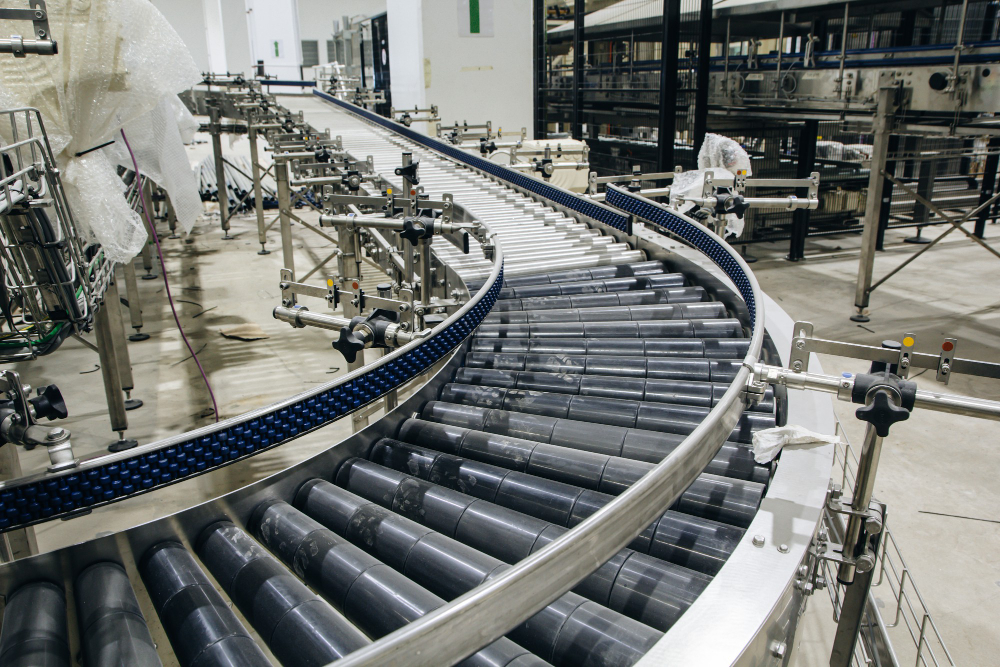
For example, automated conveyors, robotic arms, and machine controls can help reduce downtime by maintaining a constant flow of materials and ensuring seamless transitions between different stages of production. These systems can also detect issues early and alert operators before they become major problems, leading to faster resolutions and less downtime.
2. Implement lean manufacturing principles
Lean manufacturing focuses on eliminating waste and improving the efficiency of production processes. By adopting lean principles, you can reduce production stops and streamline your entire production process. Lean techniques such as continuous flow, just-in-time inventory, and minimizing unnecessary movement help ensure that production runs smoothly and without delays.
One key aspect of lean manufacturing is identifying bottlenecks in your production line. If a particular machine or process consistently slows down production, lean practices encourage you to optimize or replace it. By focusing on continuous improvement and eliminating inefficiencies, you can significantly reduce production downtime and increase overall productivity.
3. Introduce redundant systems for critical equipment
Redundancy is an effective strategy for preventing production downtime caused by equipment failure. Critical machines, such as those that handle high-volume tasks, should have backup systems in place. If one machine malfunctions, a secondary system can take over without causing a complete stoppage.
For example, a production line with a backup conveyor system ensures that, if one system fails, the other can continue to operate without interruption. This redundancy reduces the likelihood of production line blockages and helps keep production on track.
4. Train employees for flexibility
A well-trained and flexible workforce is essential for minimizing production downtime. Employees should be cross trained to handle multiple roles within the production process. This ensures that if a machine breaks down or an issue arises, another team member can step in quickly to help troubleshoot or take over the task.
Additionally, training workers to recognize early signs of potential problems allows them to take corrective action before issues cause delays. A proactive approach from employees can significantly reduce production stops and improve the overall flow of the production line.
5. Use real-time monitoring and predictive maintenance
Real-time monitoring systems provide valuable data on the performance of your machinery, allowing you to detect problems before they lead to production downtime. Predictive maintenance software can analyze data from sensors placed on critical equipment to predict when maintenance or repairs are needed. This allows you to schedule downtime proactively, reducing the likelihood of unplanned stops.
By using real-time monitoring tools and predictive maintenance strategies, you can identify and address small issues before they escalate, keeping your production line running efficiently.
6. Optimize the production line layout
An efficient production line layout minimizes unnecessary movement and reduces the risk of congestion that could lead to production line blockages. By optimizing the flow of materials, workers, and products, you can reduce waiting times and make the production process more efficient. This could involve adjusting machine positions, introducing buffer zones, or ensuring that materials are always within reach for the next stage of production.
Regularly reviewing and optimizing your layout based on production needs and new equipment can help ensure that your line continues to operate smoothly, preventing production downtime.
Keep your production line running smoothly with E2M COUTH
At E2M COUTH, we understand that dealing with production downtime can severely affect your business operations. Whether it’s caused by poor synchronization, outdated machinery, or inefficient processes, production line blockages can result in costly delays that negatively impact your bottom line. That’s why it’s crucial to take a proactive approach to identify and solve the root causes of production line problems.
By implementing the solutions we’ve covered, such as automating key processes, adopting lean manufacturing principles, introducing redundancy for critical equipment, and optimizing your layout, you can significantly reduce production downtime and enhance the efficiency of your production line. Additionally, training your team for greater flexibility and implementing real-time monitoring systems can help catch problems early and prevent major disruptions.
Remember, a well-maintained and optimized production line not only increases efficiency but also boosts your company’s profitability. It’s about ensuring your machines run smoothly, workers are empowered, and processes are constantly improving to meet the ever-growing demands of the market.
At E2M COUTH, we specialize in helping businesses like yours identify the causes of production line blockages and create custom solutions to resolve them. If you’re facing persistent production line problems or just want to optimize your operations, our team of experts is here to help. We have the knowledge, tools, and experience to help you solve bottlenecks, reduce downtime, and streamline your production processes for maximum productivity.
Contact us to learn more about how we can assist you in transforming your production line and ensuring that your operations run as smoothly and efficiently as possible.
Don’t let downtime hold your business back, reach out now!