



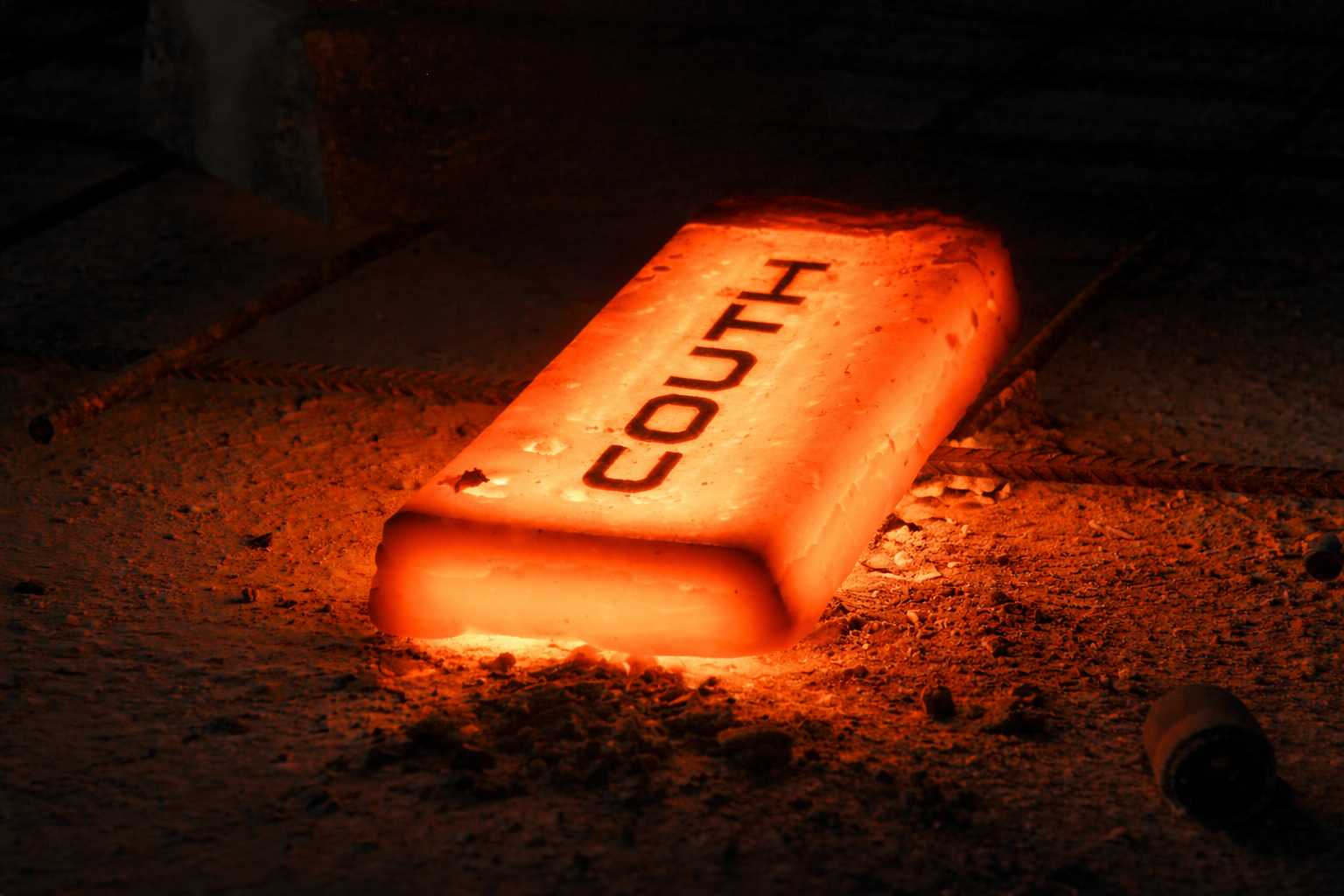
Hot Marking: How to Work with Parts at Medium Temperatures Without Compromising the Process
In certain production environments, marking is not performed on parts under standard conditions. In processes where the product is at high temperatures, waiting for it to cool down is not always feasible from an operational standpoint.
The need to mark parts while hot presents a significant technical challenge: how to ensure marking quality without compromising system reliability. At COUTH, we have developed a dot peen marking machine to meet this need.
The challenge of marking at medium temperatures
Working with parts between 300 and 500°C involves conditions that can directly compromise the operation of a conventional marking unit.
Among the main risks:
- Heat transfer to sensitive components
- Degradation of electronic, pneumatic, or mechanical components
- Increased downtime for maintenance
- Reduced equipment lifespan
For this reason, many traditional solutions rely on external protection systems that act as a barrier against heat.
Limitations of conventional systems
In most cases, machines designed for these types of applications are based on standard equipment protected by refractory covers.
This approach has several limitations:
- Limited access to key components
- Need for disassembly for maintenance tasks
- Increased downtime
- Greater operational complexity
As a result, thermal protection becomes an added element, rather than one integrated into the machine’s design itself.
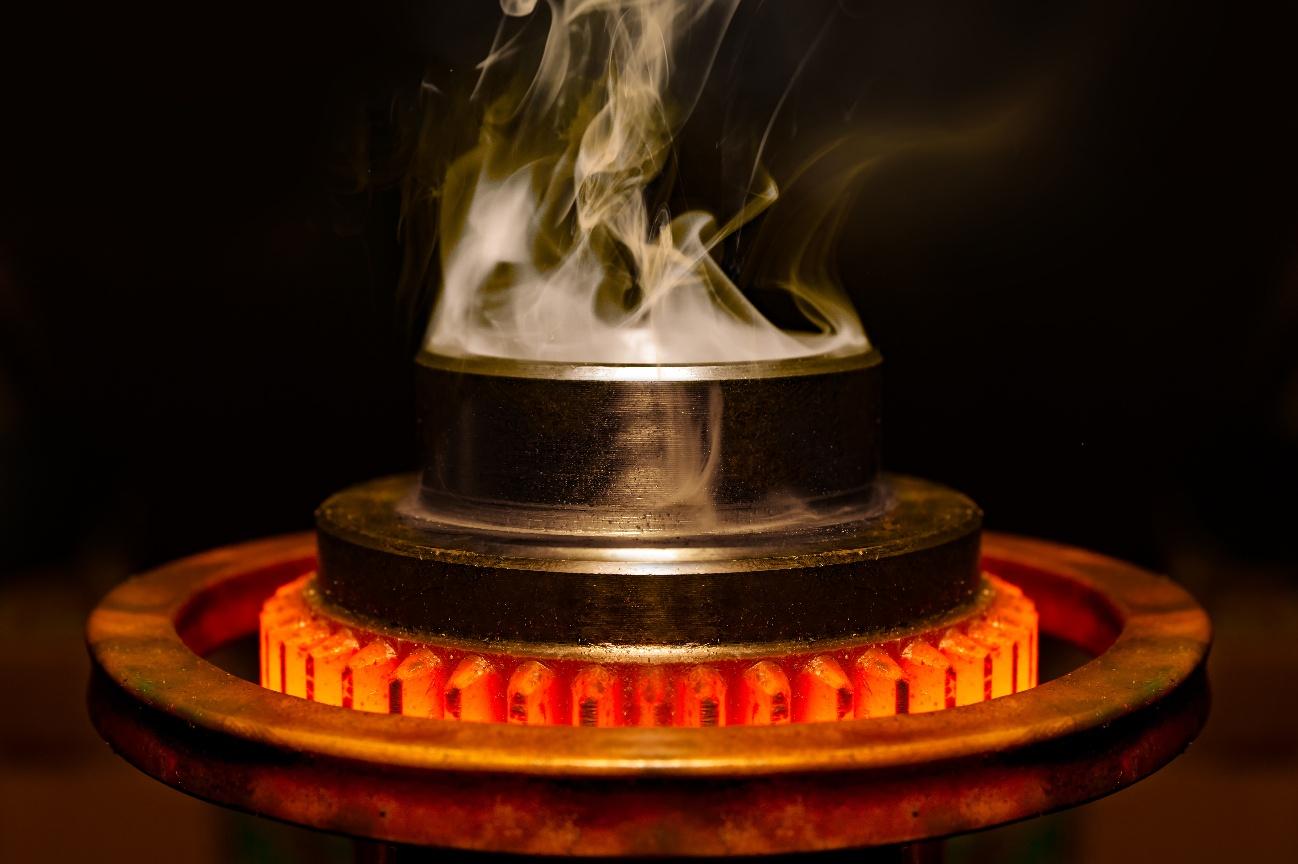
New 200×35 Unit: Medium-Hot Dot Peen Marking Machine
The new 200×35 P7 marking unit introduces a different approach: integrating thermal protection as part of the system.
Designed to work with parts in the range of 300 to 500°C, it incorporates a protection system that allows for:
- Insulating critical components from the temperature
- Maintaining the stability of the marking process
- Ensuring the proper functioning of electronic and mechanical components
All this without compromising the equipment’s accessibility or operability.
Integration into production lines
The unit is designed for use in demanding industrial environments, allowing for:
- Simple integration into production lines
- Robotic handling
- Incorporation into feed units
This facilitates its adaptation to processes where marking must be performed directly on the hot part, without disrupting the production flow.
Maintenance without added complexity
One of the key aspects in this type of application is maintenance.
Unlike solutions based on external guards, the 200×35 P7 has been designed with easy access to components in mind, reducing:
- Downtime
- Complexity of maintenance operations
- Unnecessary stoppages
With COUTH’s new Dot Peen Medium Hot marker, marking at medium temperatures ceases to be an operational limitation and becomes a capability integrated into the process.
Having a solution specifically designed to operate under these conditions allows for maintaining production continuity, reducing risks, and ensuring system reliability, even in thermally demanding environments.
If you’d like to learn more about the new COUTH marking machine, please contact us.